
Research on Inclusive Tourism
I am researching what is needed to ensure that everyone, regardless of disability, can enjoy travel.
My research focuses on two aspects of the travel experience: ease of mobility and access to information. Through studies conducted in Atami and Rusutsu, Japan, I examined how these factors affect visitor satisfaction and the intention to revisit a destination.
I developed my findings into a research paper, which was published in the Young Nurture High School Journal. In September 2026, I also presented my research in Scotland.
01|The Beginning of My Research
This research began with my experiences traveling with my cousin, who uses a wheelchair.
As we traveled together, I realized that being able to visit a destination is not the same as being able to feel at ease and enjoy the experience. At many destinations, it can be difficult to find important information before a trip—not only about physical features such as steps, but also about accessible routes, places to rest, and facilities that can be used comfortably.
This led me to consider whether accessibility in tourism depends on two equally important factors: the ease of moving around a destination and the ability to obtain necessary information in advance.
This question became the starting point of my research.
02|Research in Rusutsu and Atami
For this research, I selected two destinations with different characteristics: Rusutsu in Hokkaido and Atami in Shizuoka Prefecture.
At Rusutsu Resort, I conducted a survey of 489 travelers in the summer of 2025. I later visited the resort with my cousin, who uses a wheelchair, to examine the routes through the facilities, steps and elevators, signs, and rest areas. I also interviewed staff members about their daily interactions with guests and the accessibility challenges they had observed.
In Atami, I surveyed 500 travelers about ease of mobility, the clarity of transportation and guidance information, staff support, and whether they were able to visit the places they wanted and participate in their desired activities.
By comparing the results from the two destinations, I analyzed how courteous service and an environment that enables travelers to move independently and obtain the information they need are related to visitor satisfaction and their intention to return.
03|Key Findings
The survey results showed that helpful support from staff increased traveler satisfaction. However, staff support alone was not enough to create a travel experience that everyone could enjoy.
In particular, three factors were strongly associated with travelers’ willingness to revisit a destination and recommend it to others: being able to move around independently, obtaining the information they needed, and participating in the activities they wanted to experience.
The results also showed that travelers who encountered more difficulties with mobility and information were less likely to recommend the destination to others.
These findings suggest that enjoyable travel requires more than assistance when problems arise. Travelers need an environment in which they can make their own choices and move around with confidence.
04|Publishing and Presenting My Research
I analyzed the survey findings in greater depth and developed them into a research paper.
The title of the paper is:
Inclusive Tourism Beyond Hospitality: Mobility, Information Accessibility, and Visitor Loyalty in Atami and Rusutsu, Japan
August 20, 2026
The paper was published by Young Nurture High School Research. In September 2026, I also had the opportunity to present my research in Scotland.
What began as questions I encountered while traveling became a research project based on survey data. Sharing my findings with an international audience was an especially meaningful experience for me.
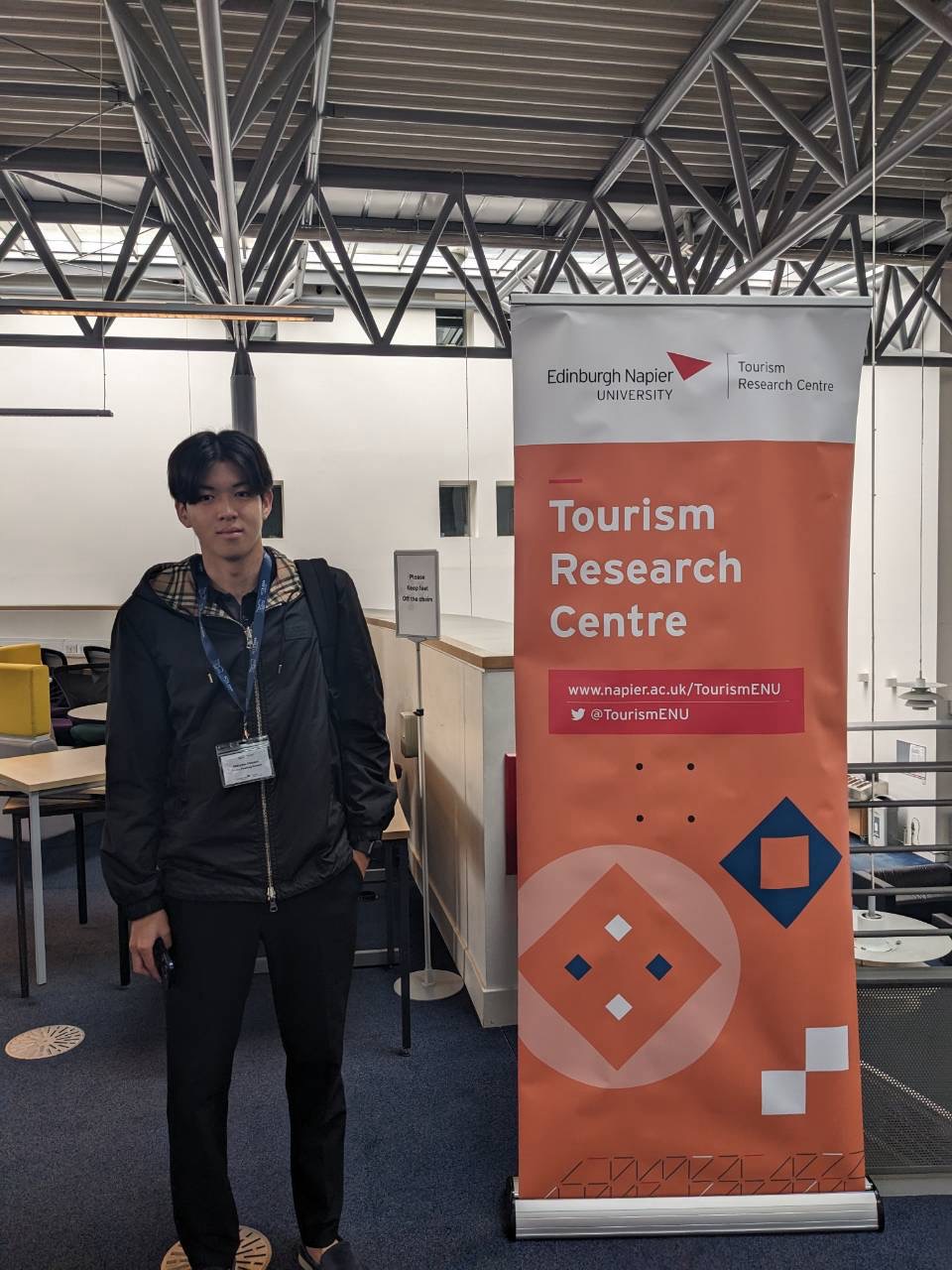
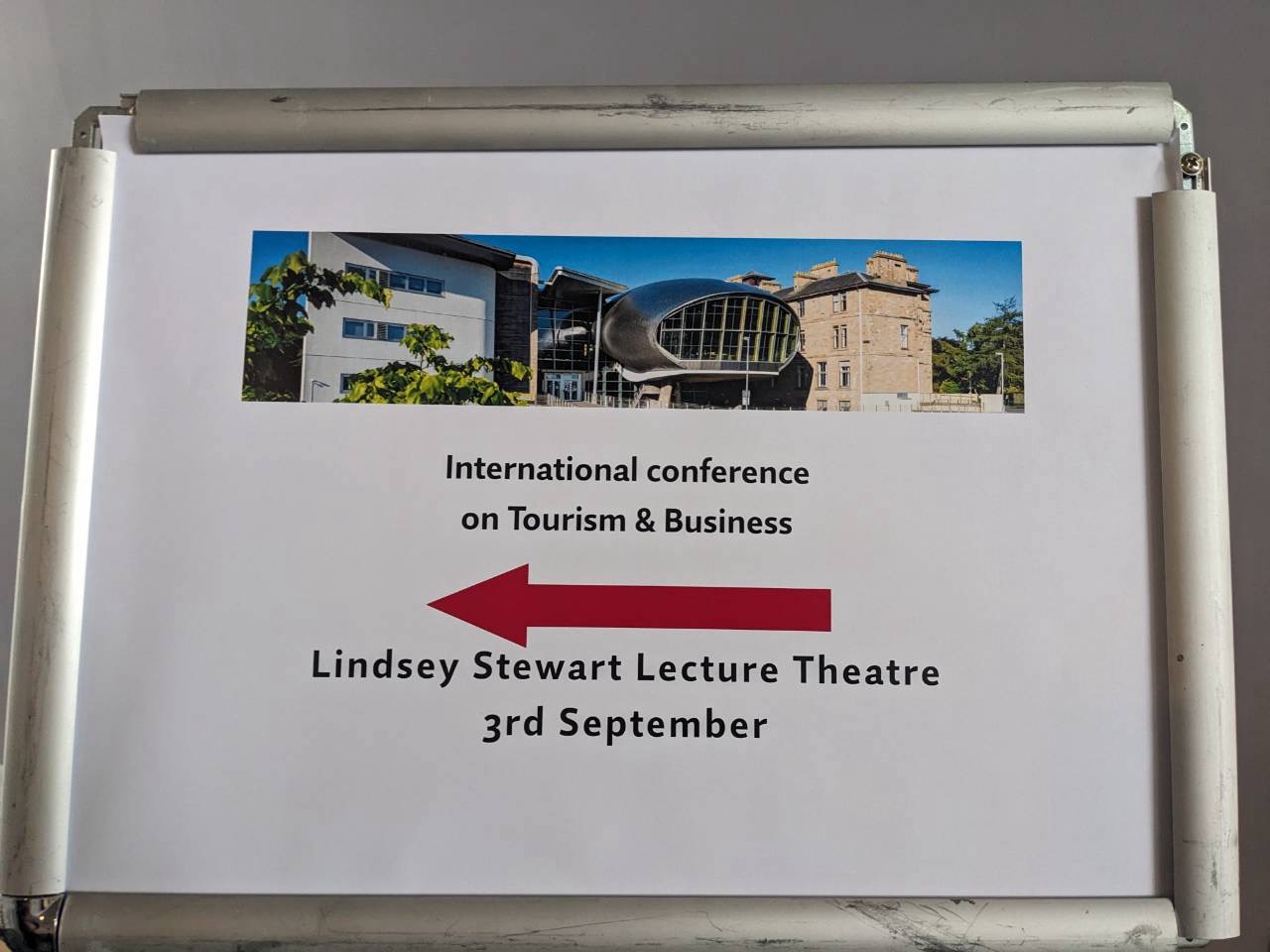
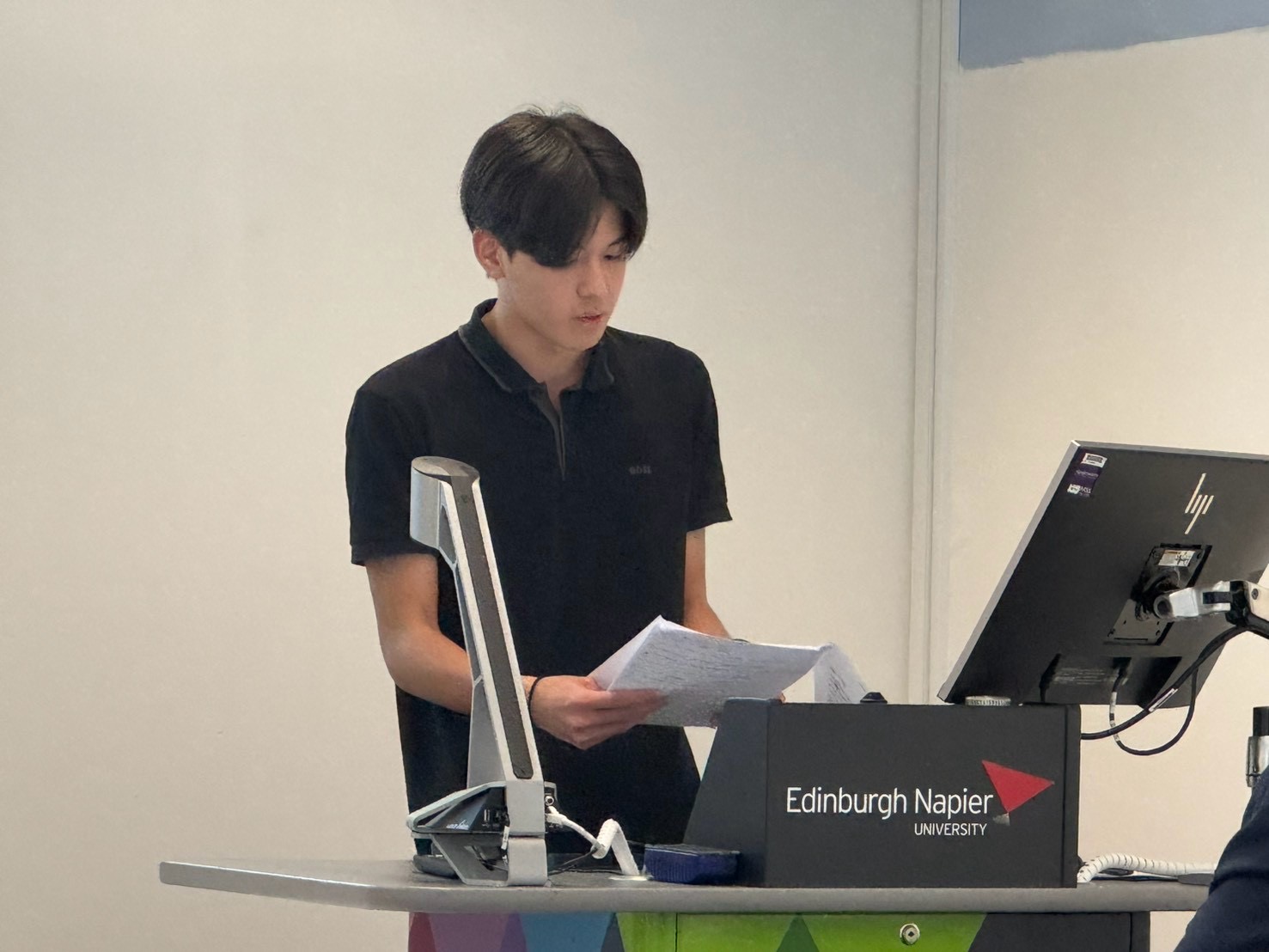
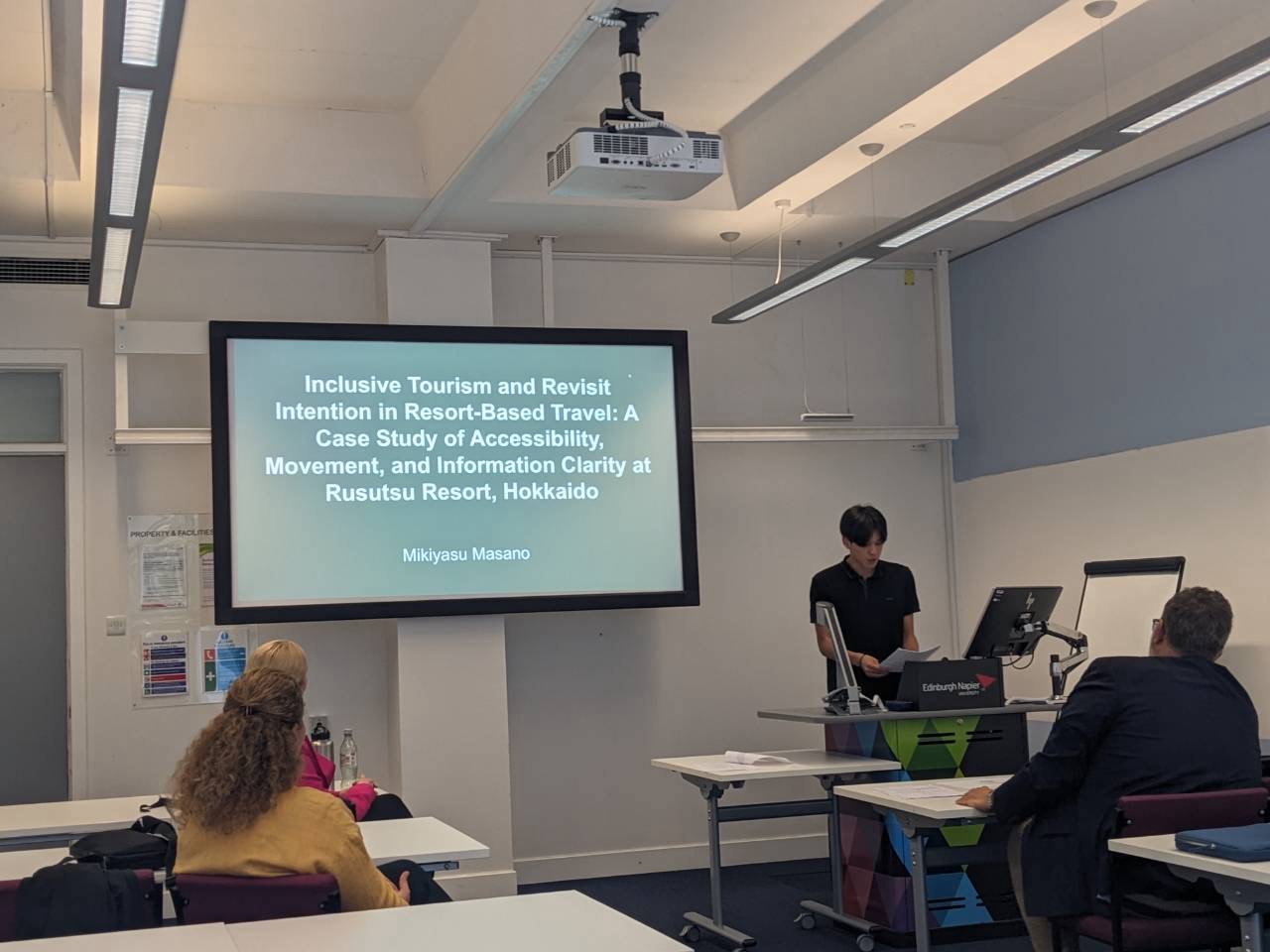
Research presentation in Edinburgh, Scotland – September 2026
05|From Research to JoyWheel Travel
Through this research, I learned that making travel enjoyable for everyone requires more than improving physical facilities. Travelers also need to find the information they need before a trip and make their own choices.
However, accessibility information is often scattered across multiple websites, and labels such as “barrier-free” do not always provide enough detail. The information travelers need also differs from person to person, including wheelchair users, people with visual or hearing impairments, older adults, and families traveling with children.
This led me to develop JoyWheel Travel, an app designed to provide each traveler with information tailored to their individual accessibility needs.
My research helped me identify the challenges. I then turned insights from travelers into an Accessibility Guide and began developing an app to make this information available to more people. All of these efforts are connected by one goal: to move travel from simply “possible” to truly “enjoyable.”

