
From “Accessible Travel” to “Enjoyable Travel”
Travel should be more than possible. It should be enjoyable.
JoyWheel Travel is a student-led initiative that aims to create a world where everyone—regardless of disability—can travel with confidence, be themselves, and enjoy meaningful experiences with the people they care about.
Through research, fieldwork, and interviews, I have explored the challenges surrounding accessibility and used what I learned to develop the JoyWheel Travel prototype.
About Me
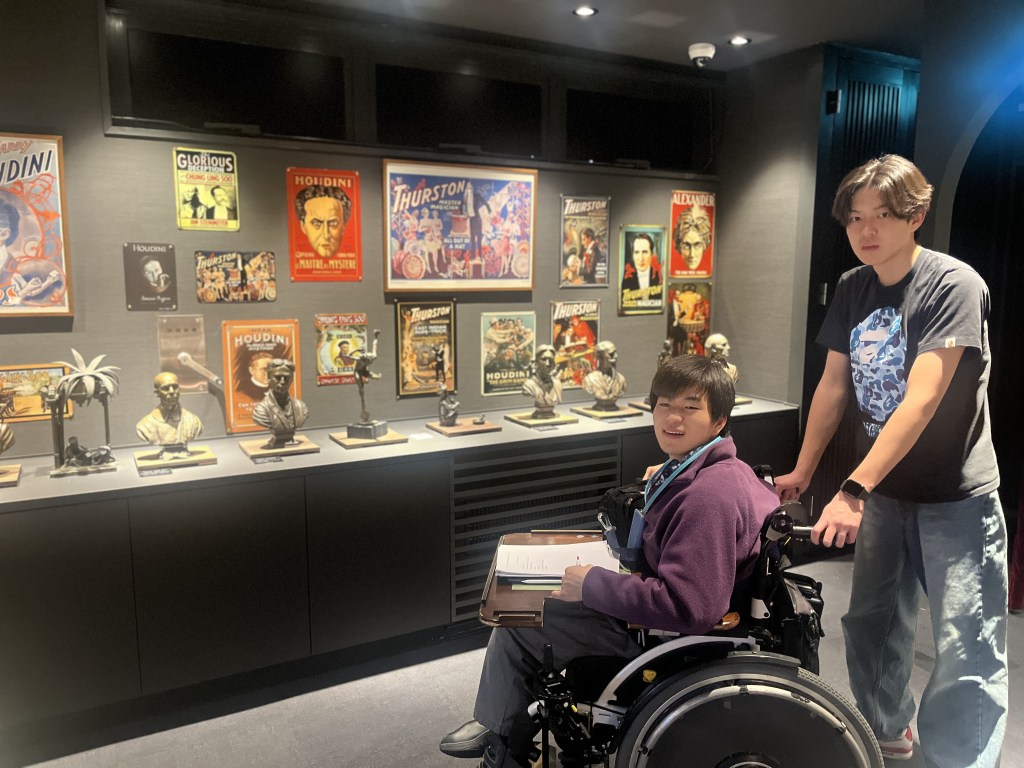
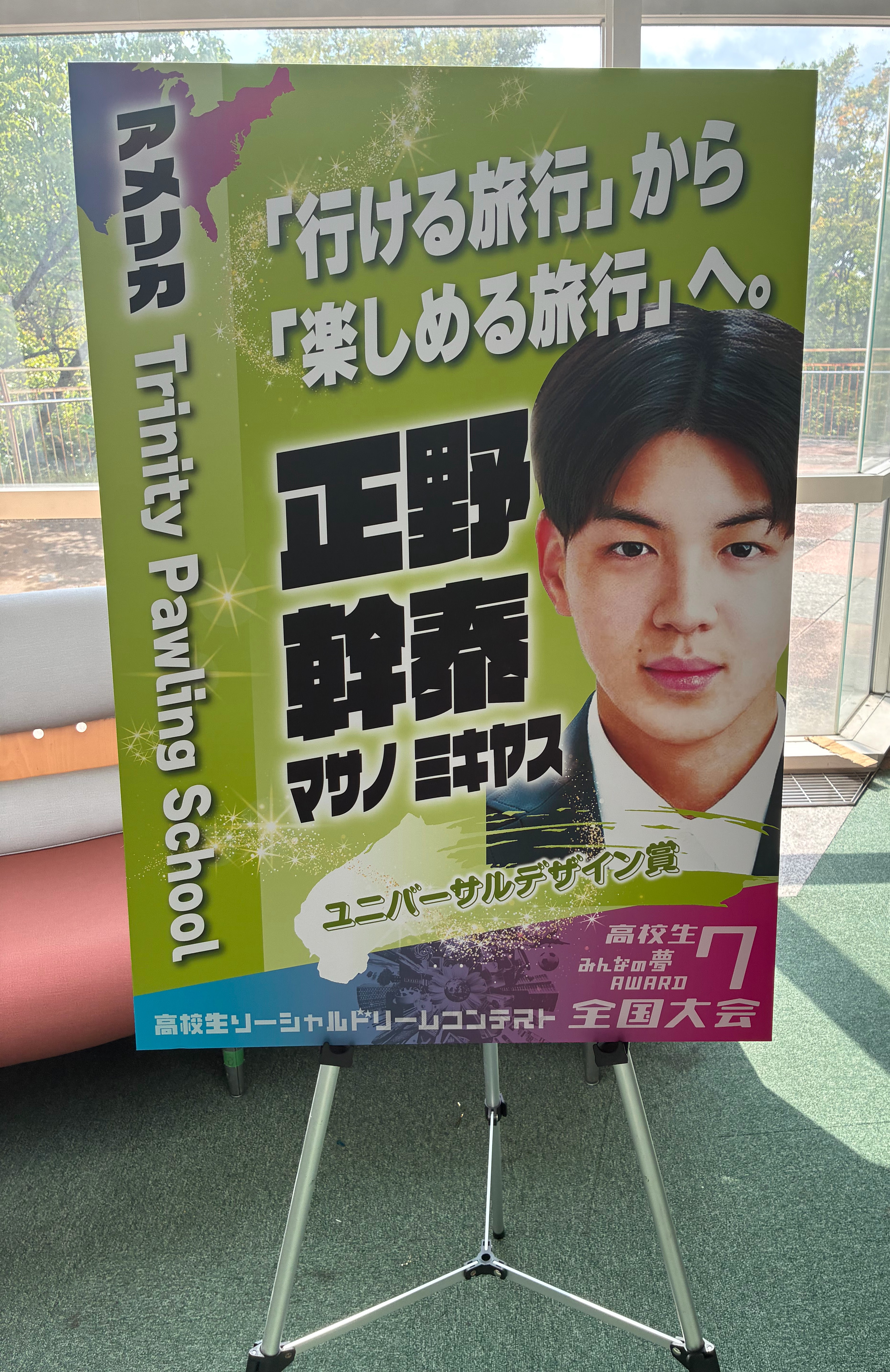
Mikiyasu Masano
I am a 17-year-old high school student currently studying in the United States.
Inspired by my experiences traveling since childhood with my cousin, who uses a wheelchair, I have been researching and taking action to help create a world where everyone can enjoy travel.
My Journey
What does it mean for everyone to truly enjoy travel?
Through a survey at Rusutsu Resort, trips with my cousin, interviews with wheelchair users, and fieldwork, I have explored this question from multiple perspectives and listened to the voices of people directly affected by accessibility challenges.
These experiences led to the development of the JoyWheel Travel app prototype. My journey so far includes:
01|The Beginning
02|A Survey at Rusutsu Resort
03|Testing Accessibility Firsthand
04|Listening to Lived Experiences
05|Defining “Enjoyable Travel” Together
06|Turning Ideas into an Accessibility Guide
07|Developing the JoyWheel Travel App
08|Taking the Idea to the Stage
09|The Next Step
01|The Beginning
Traveling with My Cousin Who Uses a Wheelchair
My cousin has a physical disability and uses a wheelchair. Since childhood, I have traveled with him and our families many times.
These experiences made me realize that even when a destination is described as “accessible,” many uncertainties remain. Can his wheelchair fit along the route? Is there an accessible restroom nearby? Will there be a place where he can rest? Most importantly, can we enjoy the same experiences together?
I began to understand that accessibility is not only about whether someone can reach a destination. It is also about whether they can feel safe, make their own choices, and enjoy the journey with the people they care about.
This realization became the starting point of JoyWheel Travel.
02|A Survey at Rusutsu Resort
Turning a Personal Question into Research
My experiences traveling with my cousin led me to a broader question: How do mobility and access to information affect a traveler’s satisfaction and desire to return?
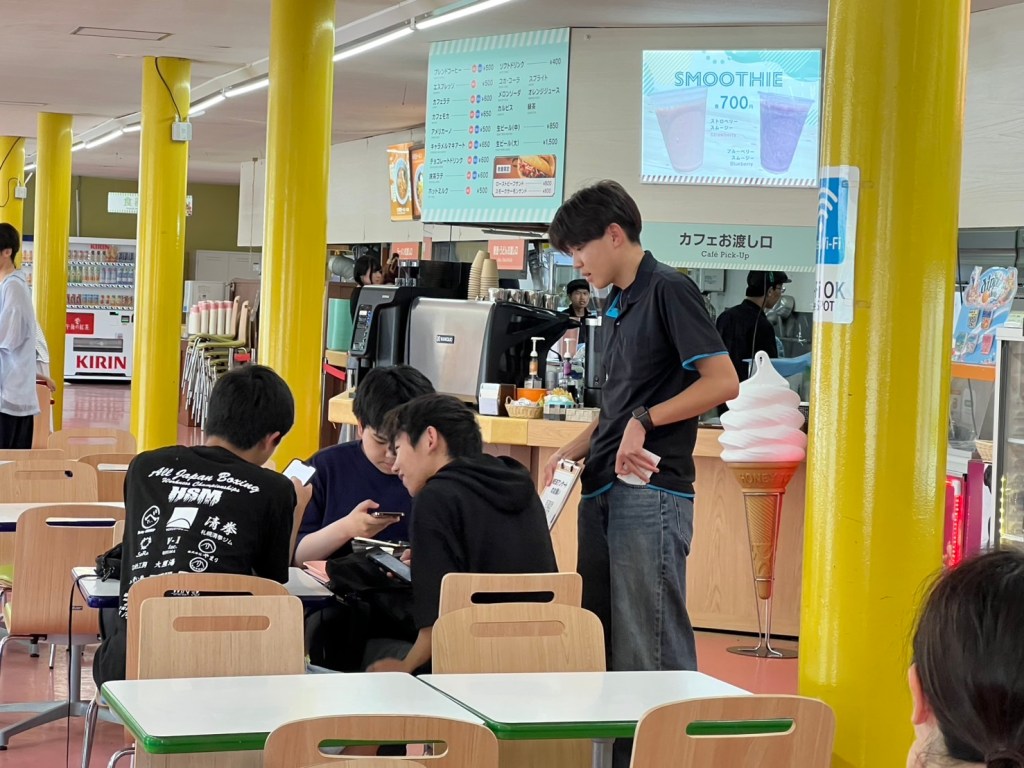
In August 2025, I conducted a seven-day survey at Rusutsu Resort in Hokkaido, Japan, and collected responses from 489 visitors.
I examined how factors such as ease of movement, access to transportation, and the availability of clear information shaped each visitor’s overall experience.
The research showed me that accessibility is not an issue affecting only people with disabilities. Clear information, smooth movement, and a sense of security can make travel more enjoyable for everyone.
What began as a personal concern had become a question I could investigate through evidence.
03|Testing Accessibility Firsthand
Returning to Rusutsu with My Cousin
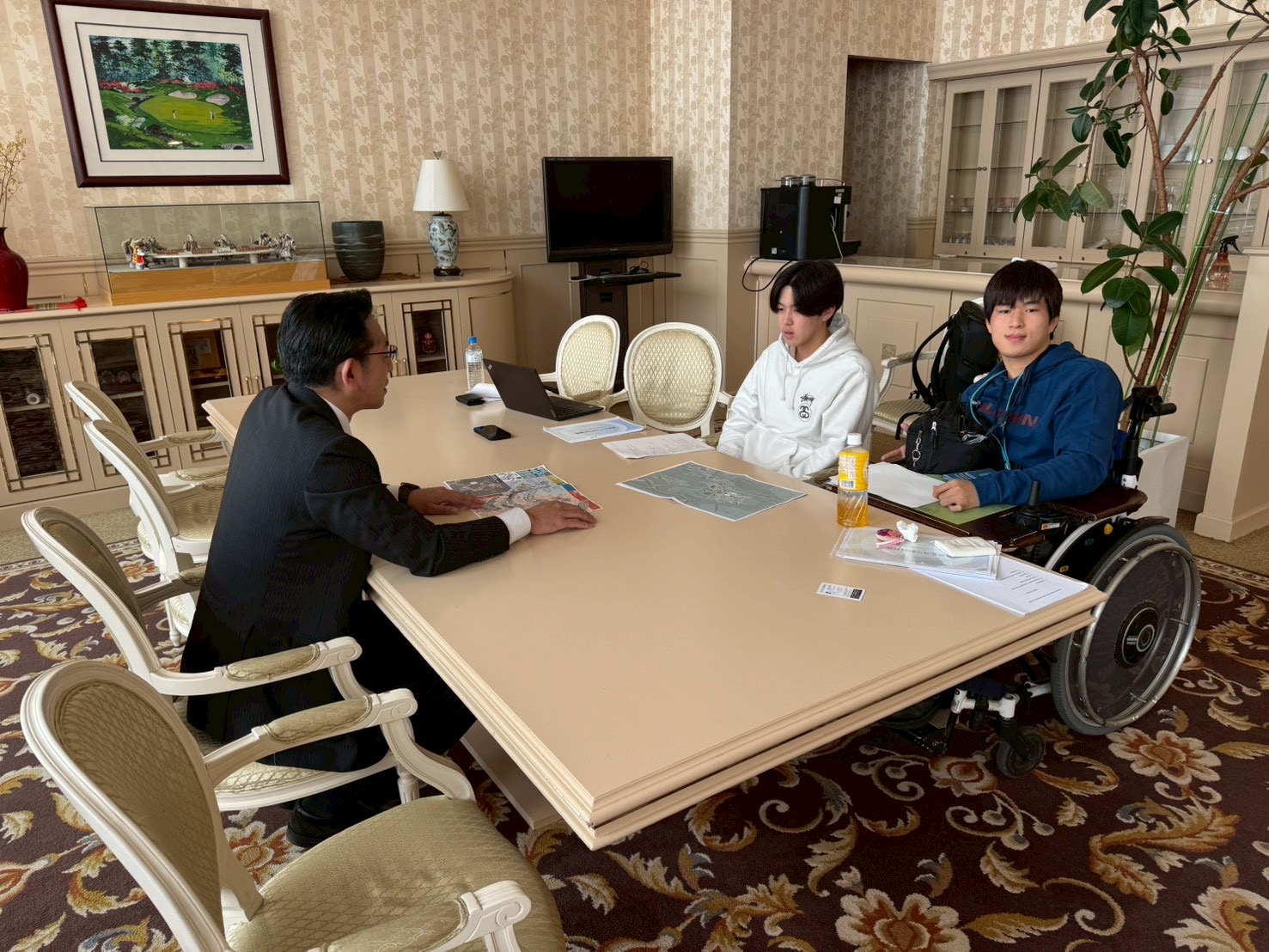
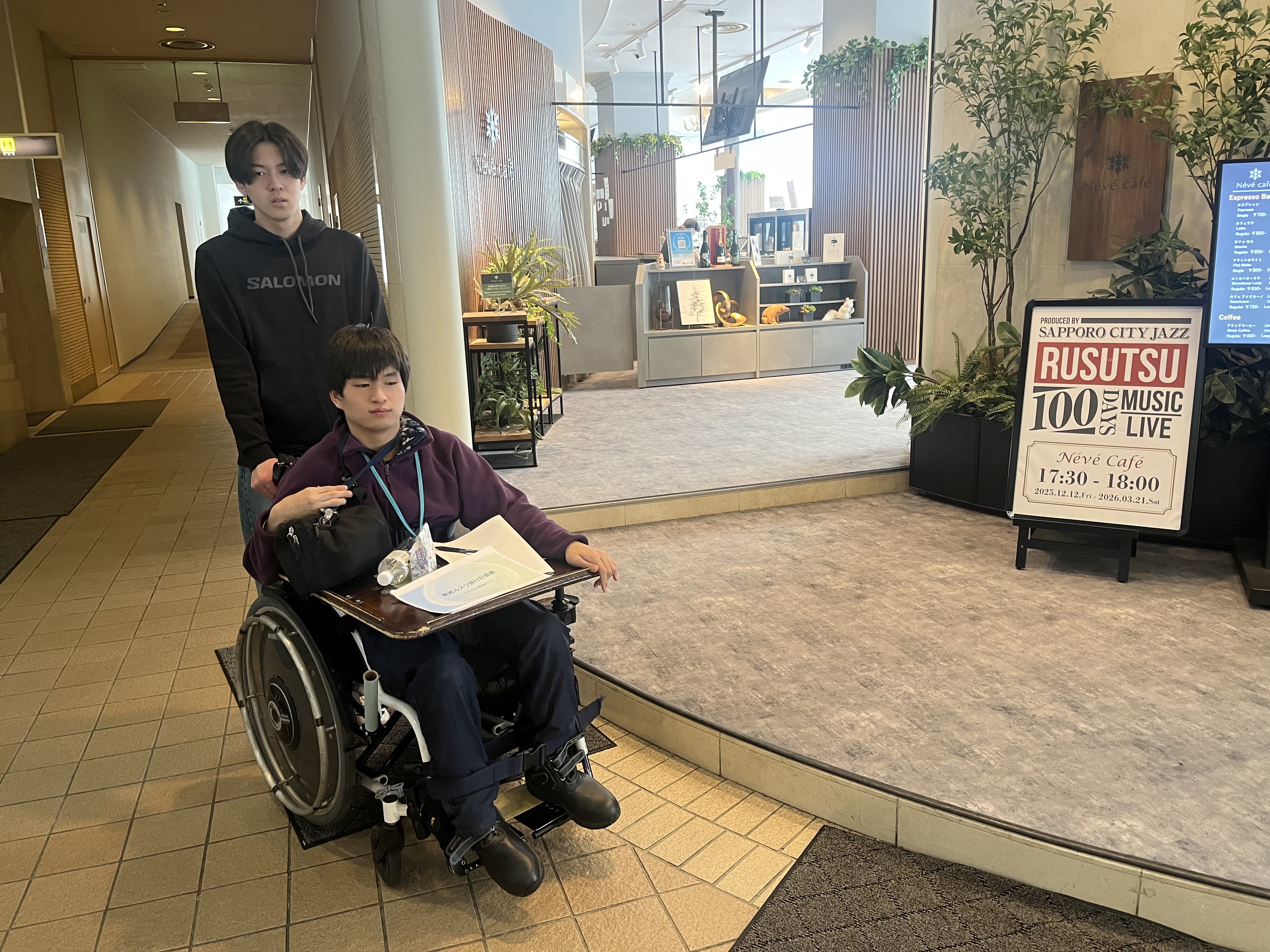
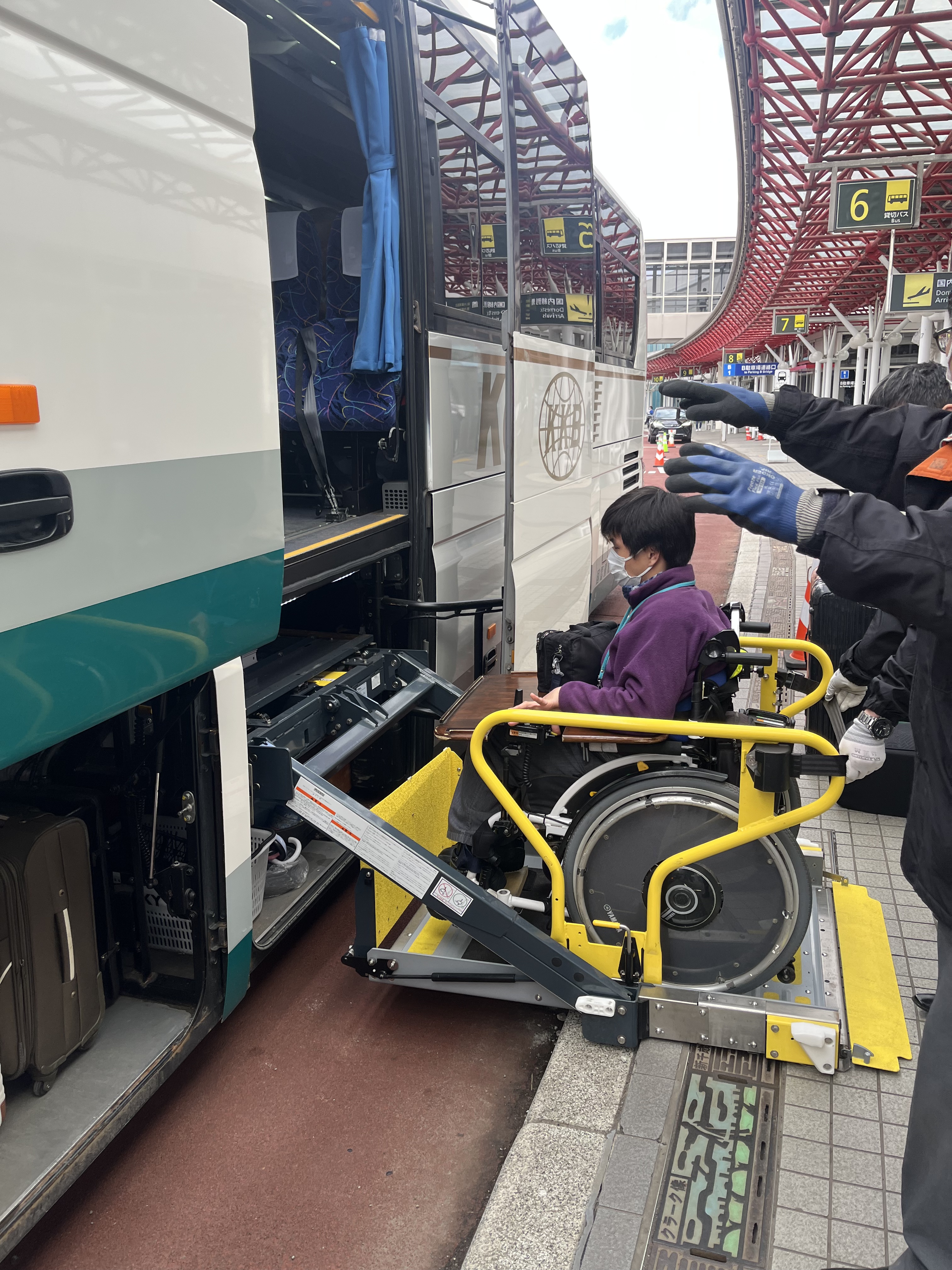
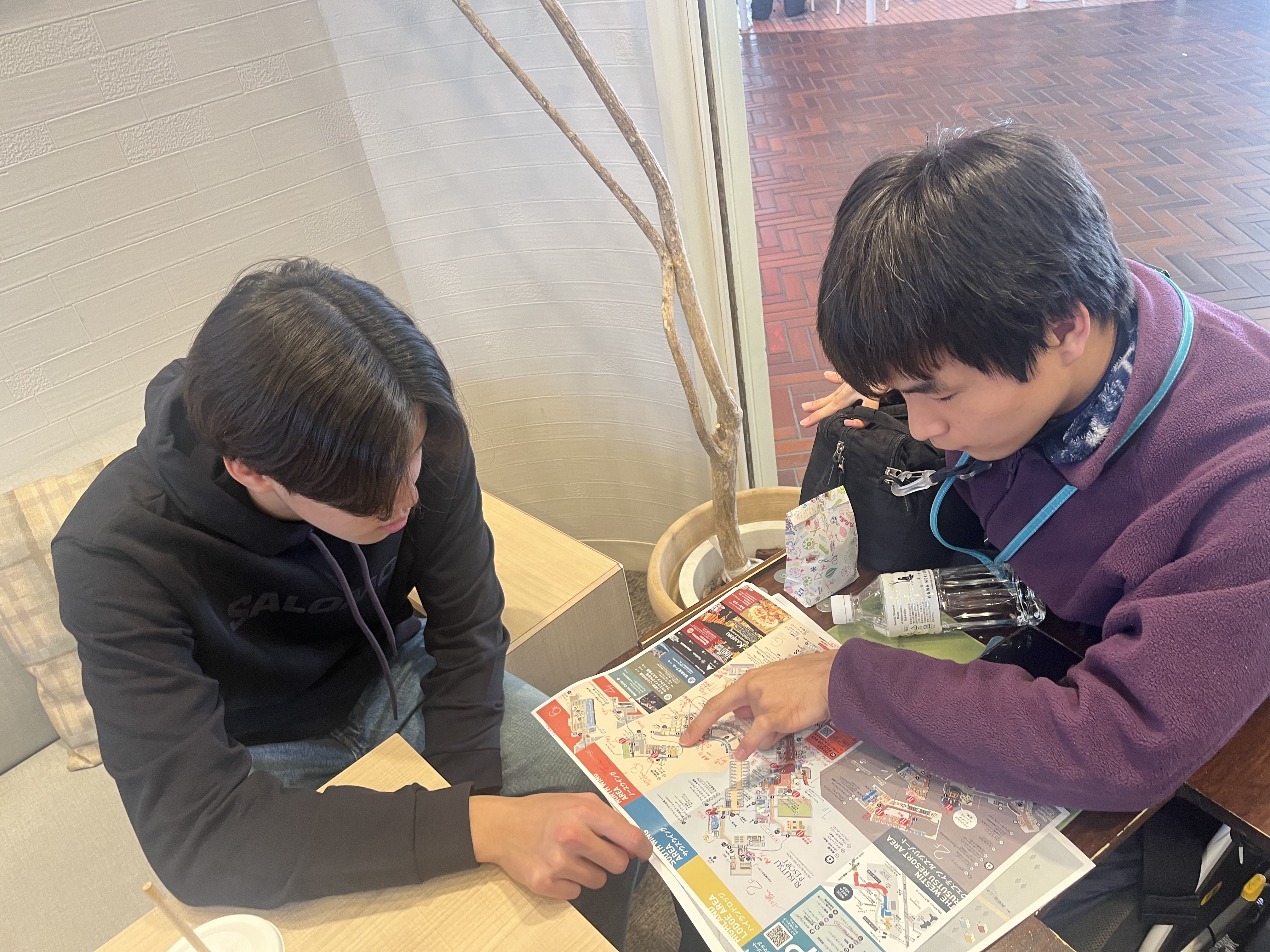
In spring 2026, I returned to Rusutsu Resort with my cousin for a two-night stay. This time, I wanted to examine the resort from the perspective of a wheelchair user.
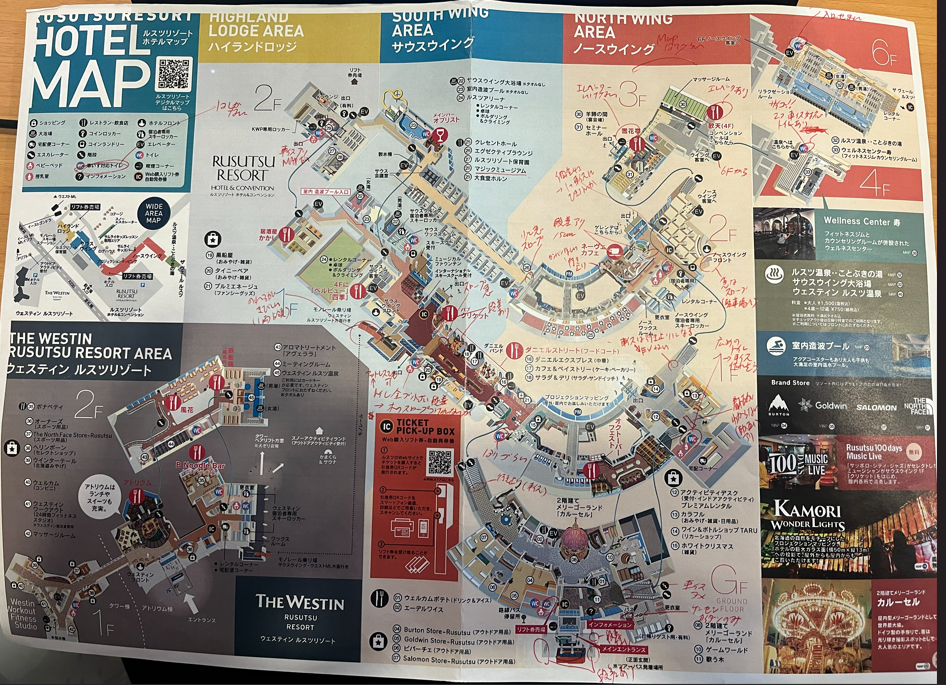
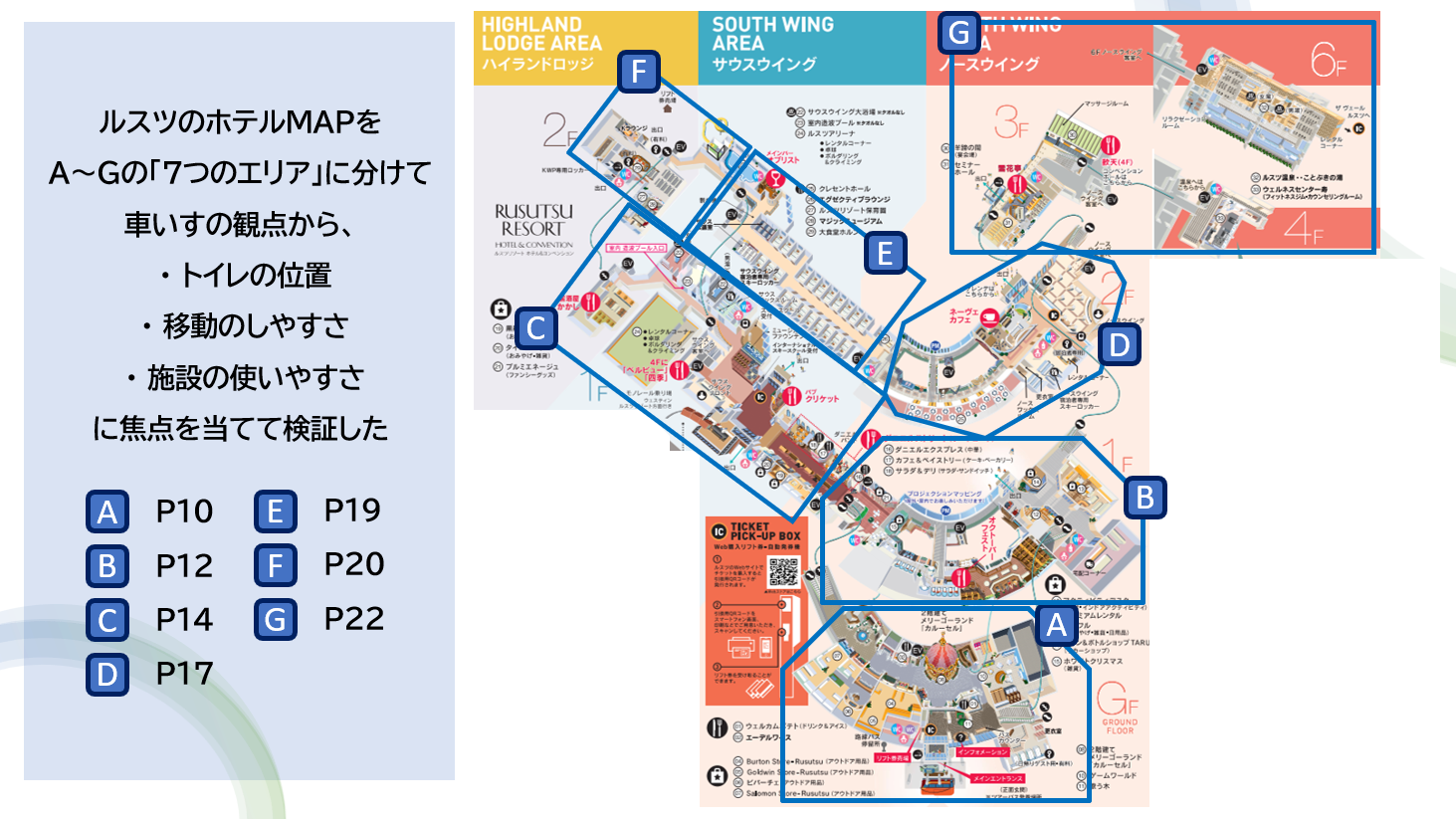
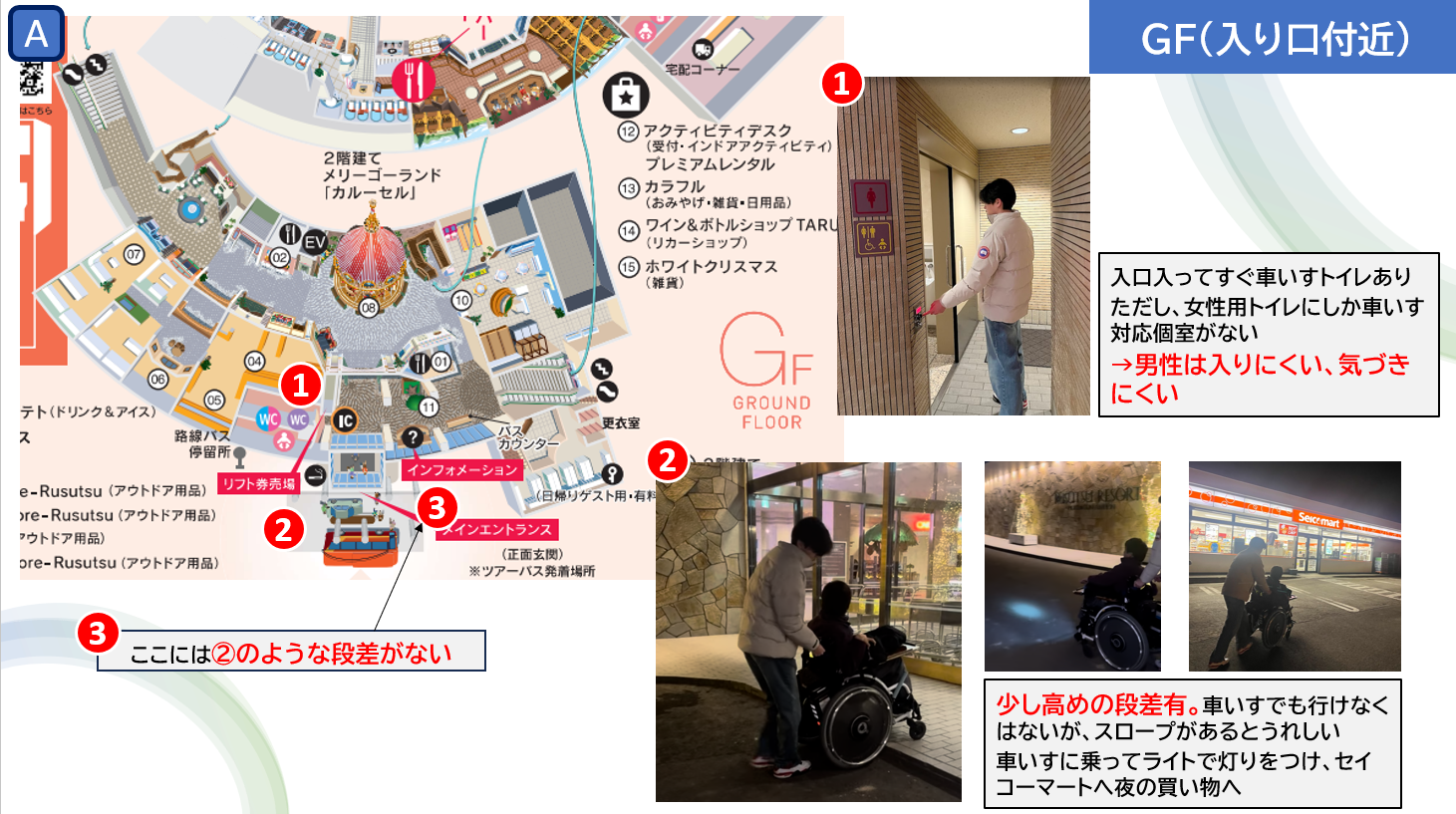
Together, we checked routes through the hotel, elevators, accessible restrooms, guest rooms, resting areas, and access to nearby facilities. I also spoke with hotel staff about the challenges they face when providing accessibility information.
The experience revealed details that could not be fully understood through survey data alone. A facility may technically be accessible, yet travelers can still feel uncertain if they do not know what to expect before arriving.
Accessibility is not only about physical facilities. It is also about information, choice, and peace of mind.
04|Listening to Lived Experiences
Solutions Should Begin with Listening
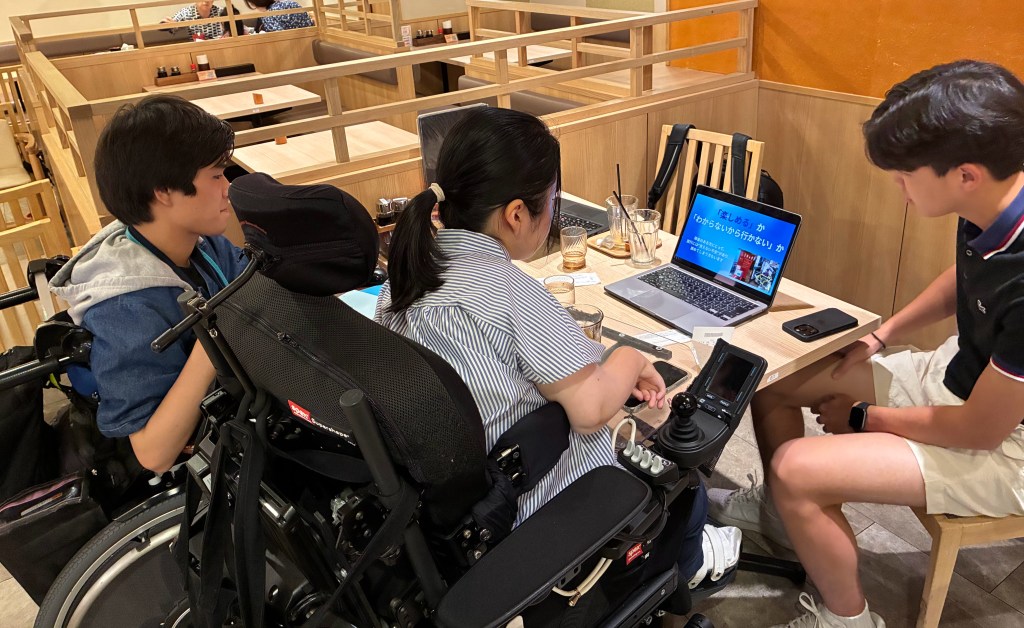
To better understand the realities of accessible travel, I interviewed people with disabilities and listened to their experiences, concerns, and hopes.
I also volunteered at a support facility for people with disabilities and visited a café where people with disabilities work remotely through avatar robots. These experiences helped me see how thoughtful design and technology can expand people’s choices and independence.
Most importantly, I learned not to assume that I already understood what others needed. Instead, I needed to ask questions, listen carefully, and develop ideas together with the people directly affected.
Inclusive solutions should not be designed for people without first being shaped with them.
05|Defining “Enjoyable Travel” Together
A Workshop Built Around Different Perspectives
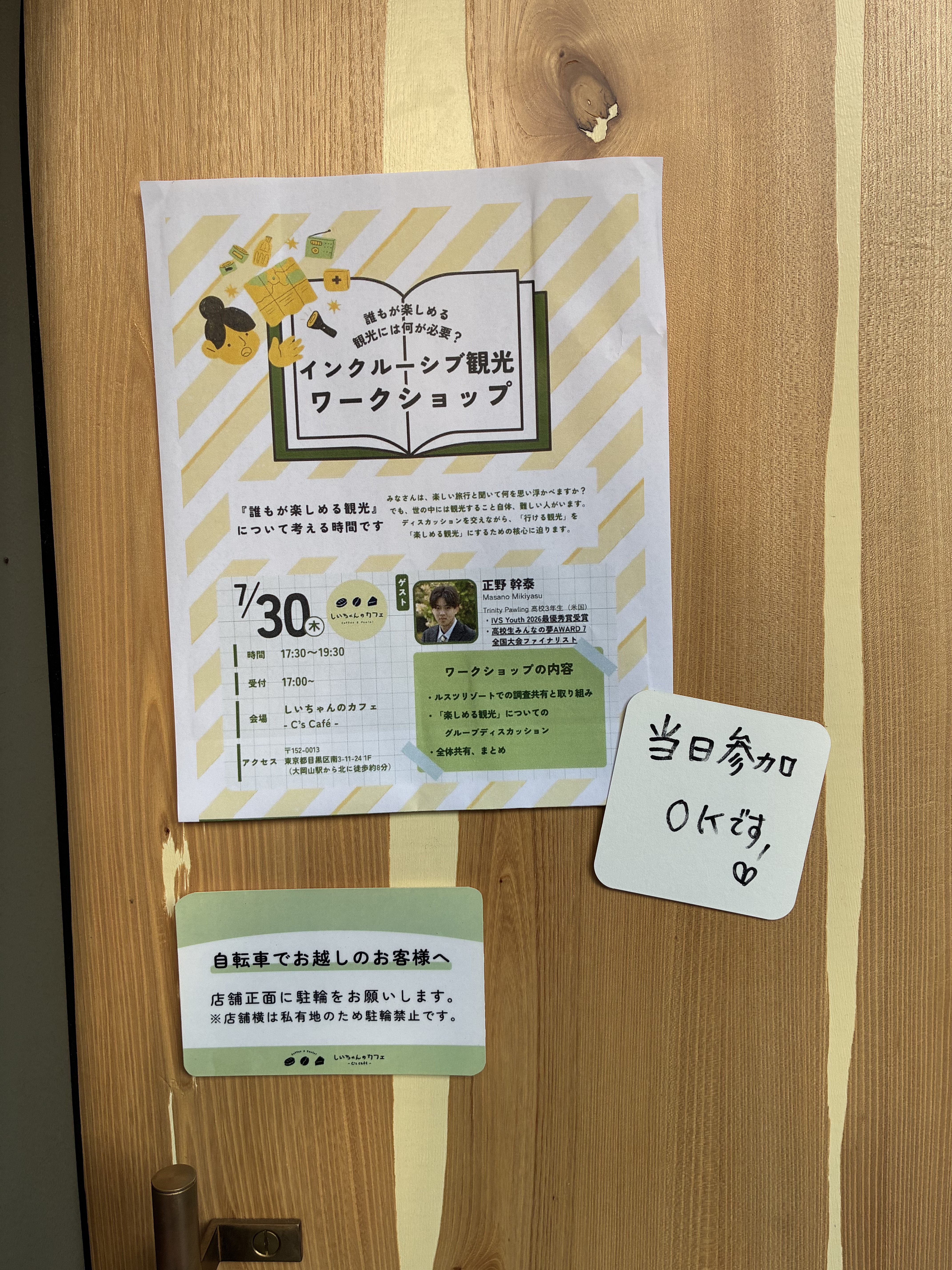
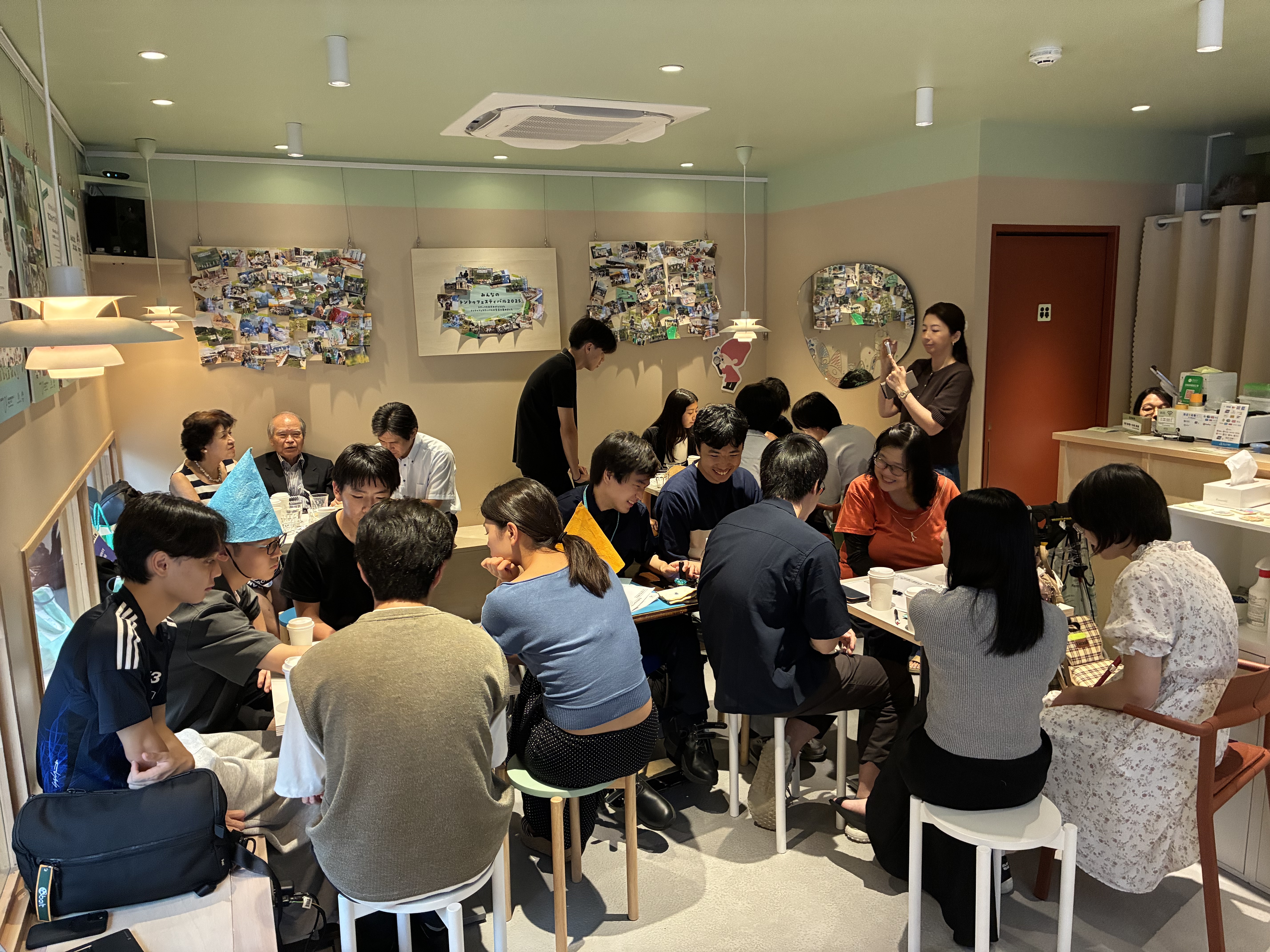
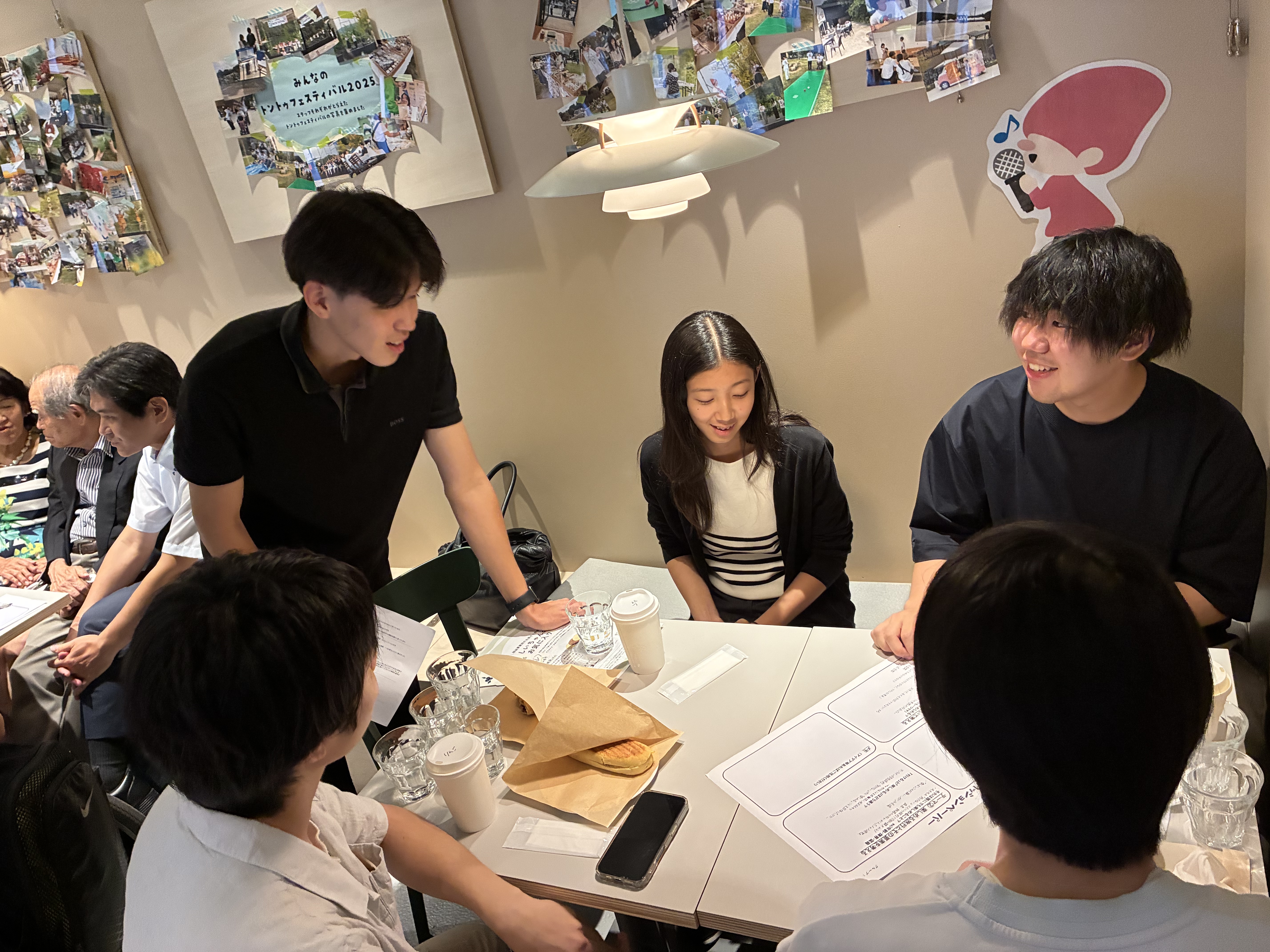
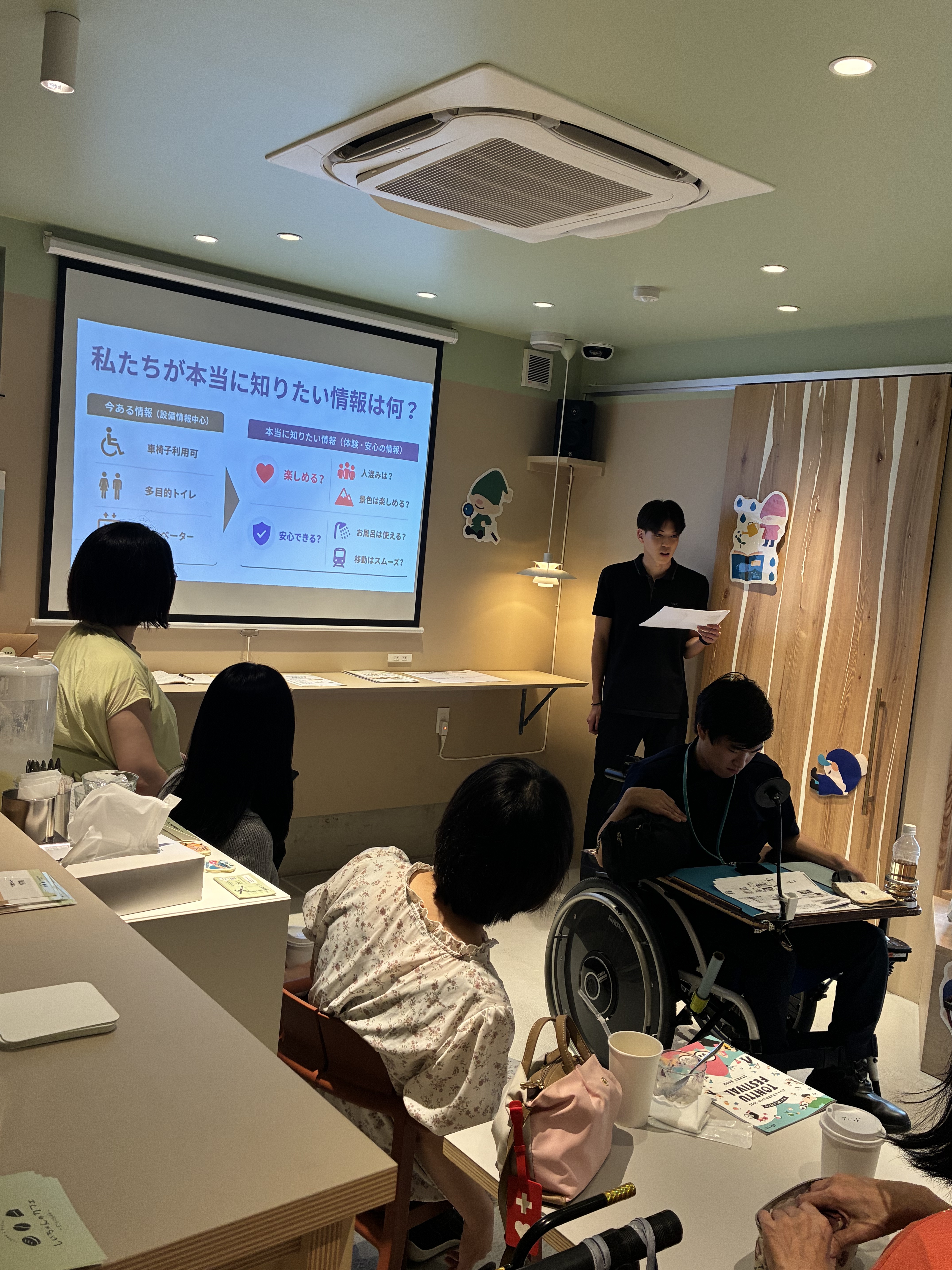
I organized a two-hour workshop with more than 20 participants divided into four groups. Together, we discussed what makes travel not only possible, but genuinely enjoyable.
Participants shared different ideas based on their own experiences and perspectives. Through these conversations, we moved beyond physical accessibility and considered the emotional side of travel: feeling secure, having the freedom to make choices, and sharing meaningful moments with others.
Our discussion led to one shared understanding:
Enjoyable travel means feeling safe, being yourself, and spending meaningful time with the people you care about.
This idea became the foundation of JoyWheel Travel.
06|Turning Ideas into an Accessibility Guide
Replacing Uncertainty with Practical Information
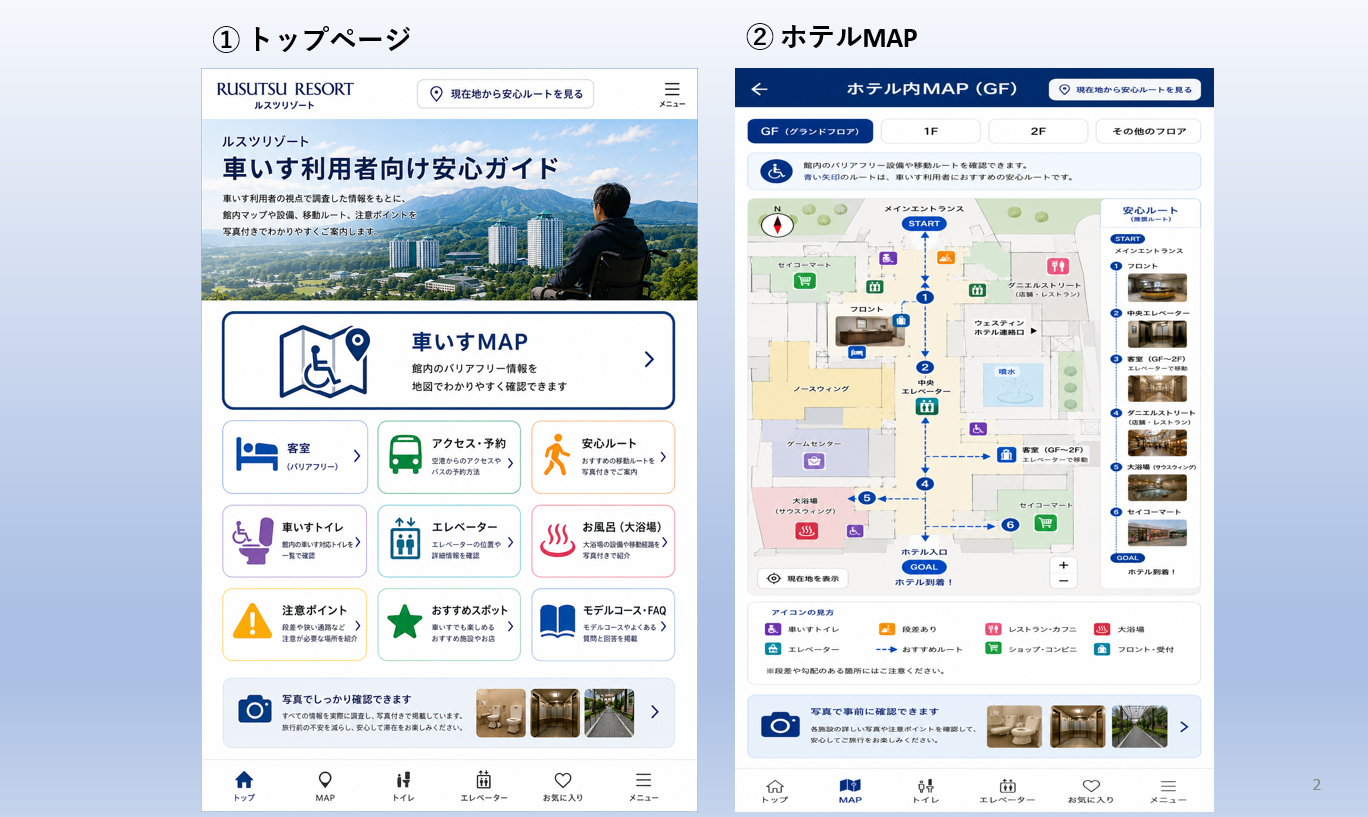
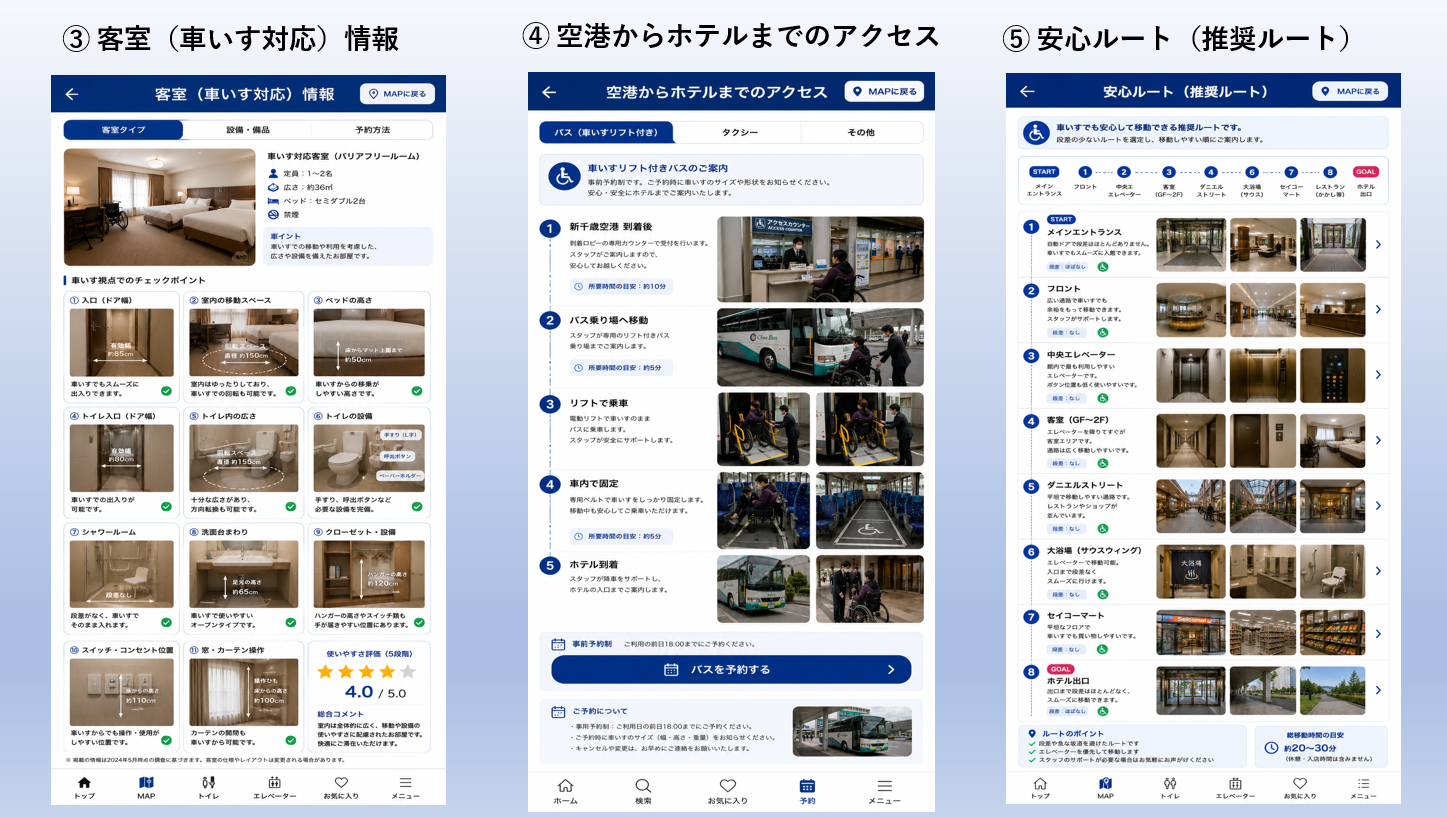
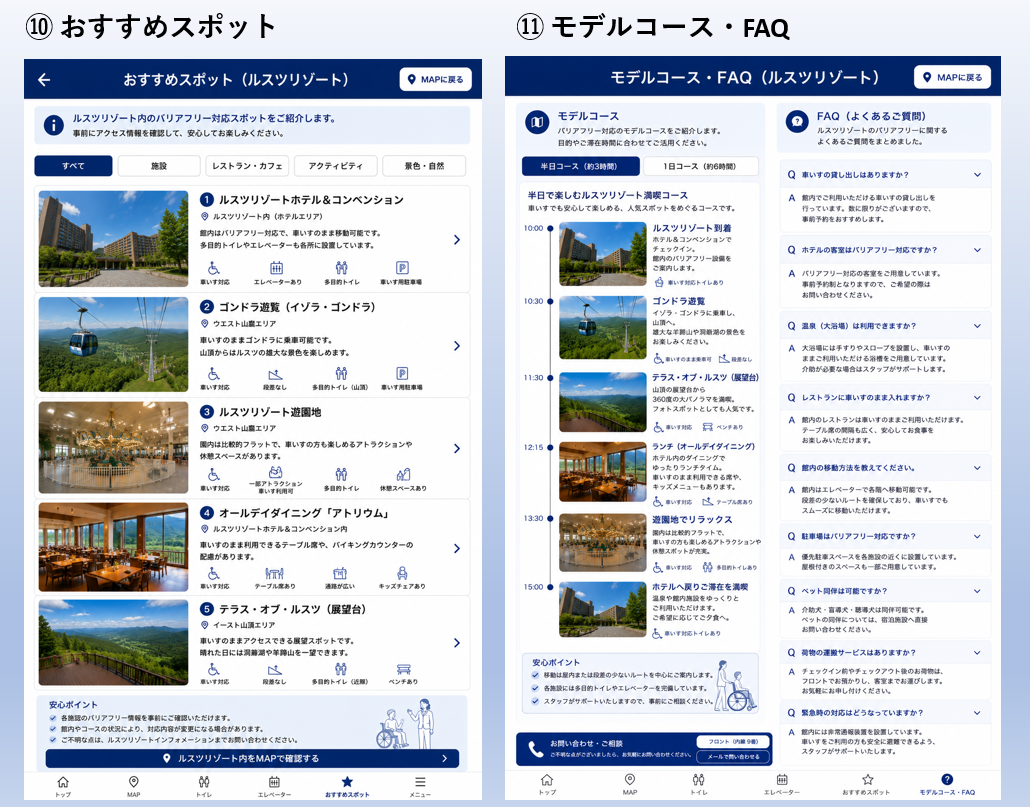
Based on my research, fieldwork, and interviews, I began developing an accessibility guide for Rusutsu Resort.
The guide brings together the practical information that travelers need before their trip, including:
- Accessible routes through the hotel
- Elevators and accessible restrooms
- Guest-room accessibility
- Transportation and arrival information
- Places to rest
- Suggested itineraries and frequently asked questions
My goal is not to decide what travelers can or cannot do. It is to give them enough reliable information to make their own choices with confidence.
Better information can turn anxiety before a trip into anticipation.
Field Research with My Cousin
↓
Challenges Identified Through Fieldwork
↓
Accessibility Guide Prototype
07|Developing the JoyWheel Travel App
Making Accessibility Information Easier to Find and Use
The fieldwork and accessibility guide led me to the next question: How could this information become easier for more travelers to access and use?
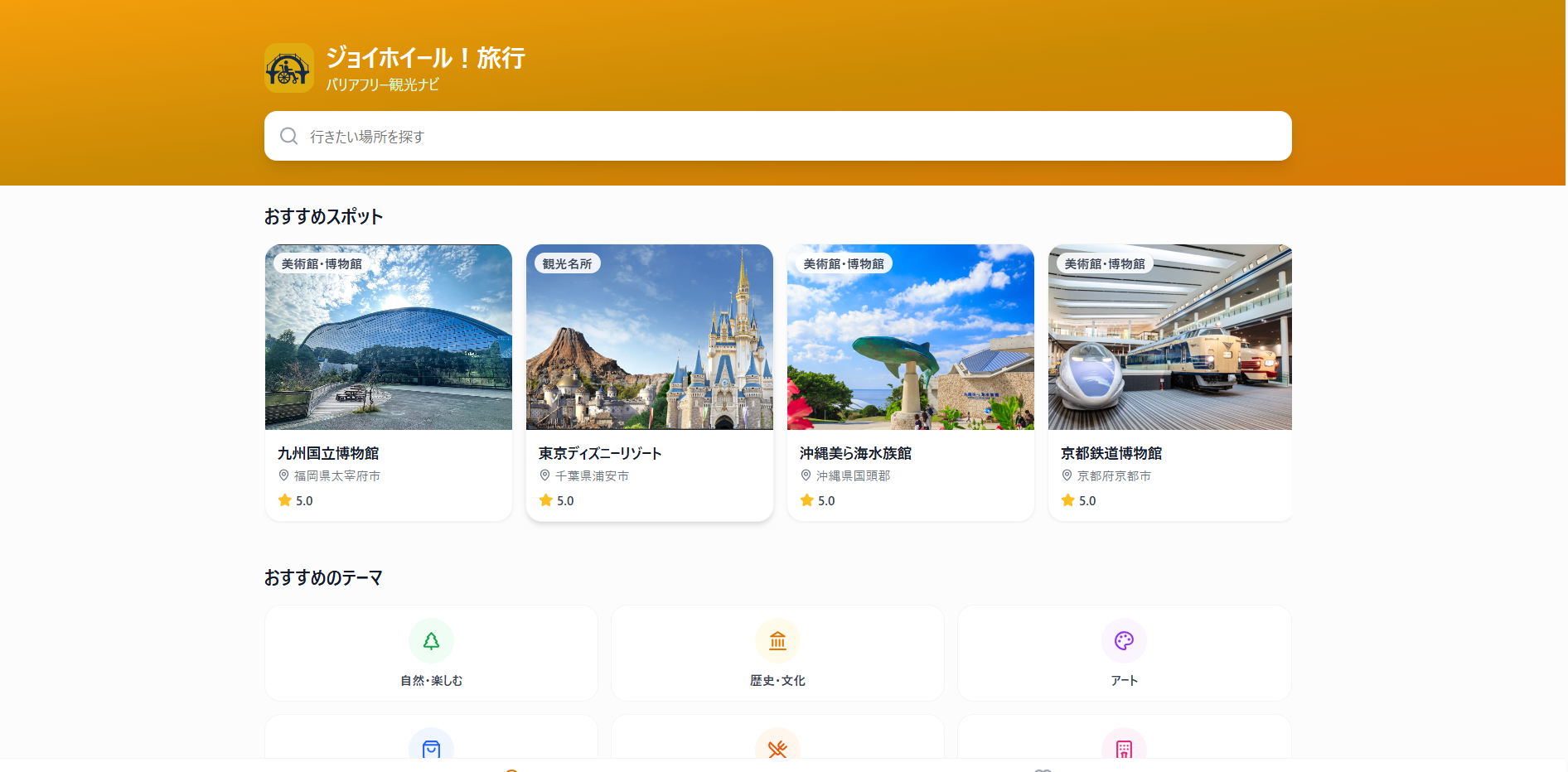
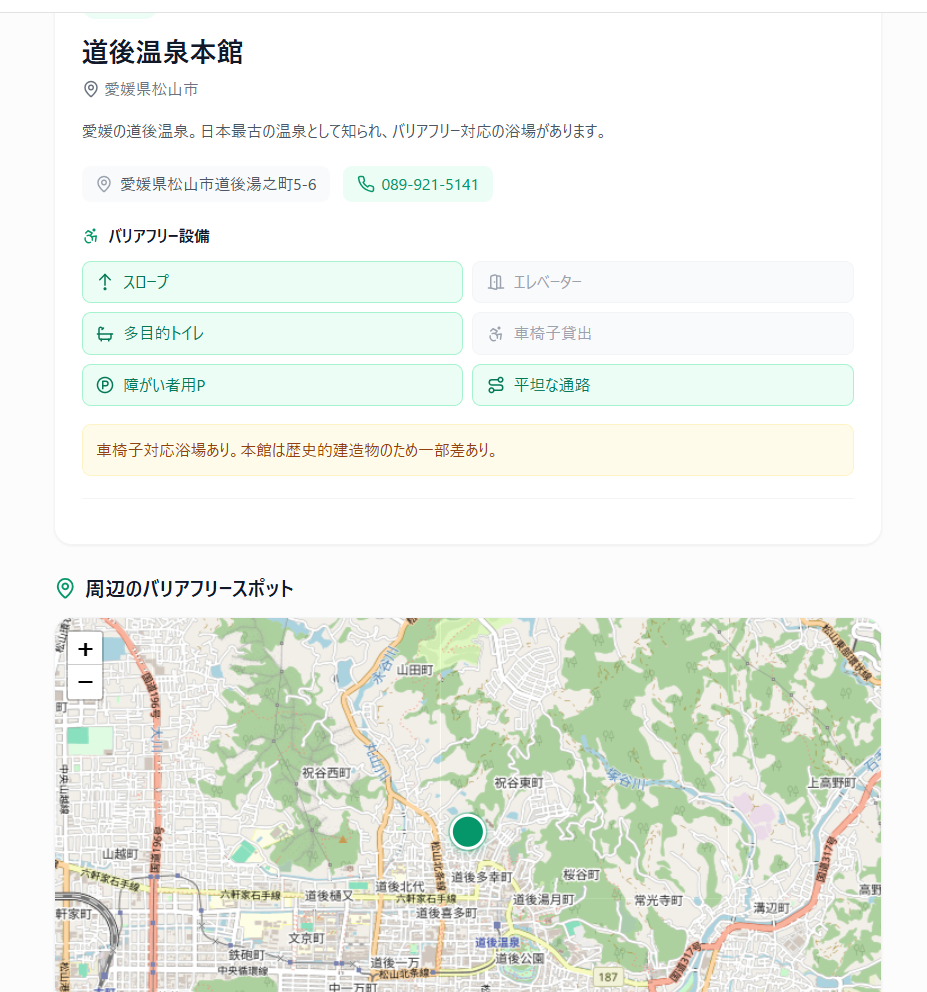
I began developing the JoyWheel Travel app prototype—a platform that provides practical accessibility information from the traveler’s perspective.
The prototype includes:
- Videos showing routes from a wheelchair user’s perspective
- Information about steps, elevators, restrooms, and crowd levels
- Reviews from travelers with different accessibility needs
- One-touch operation and voice support
- Larger text and high-contrast display options
Users can select their accessibility needs, and the interface adjusts to make the information easier to use.
The goal is not simply to show whether someone can visit a place, but to help them understand whether they can enjoy the experience.
By continuing to test and improve the prototype, I aim to create a platform where everyone can find the information they need and enjoy travel in their own way.
JoyWheel Travel Prototype
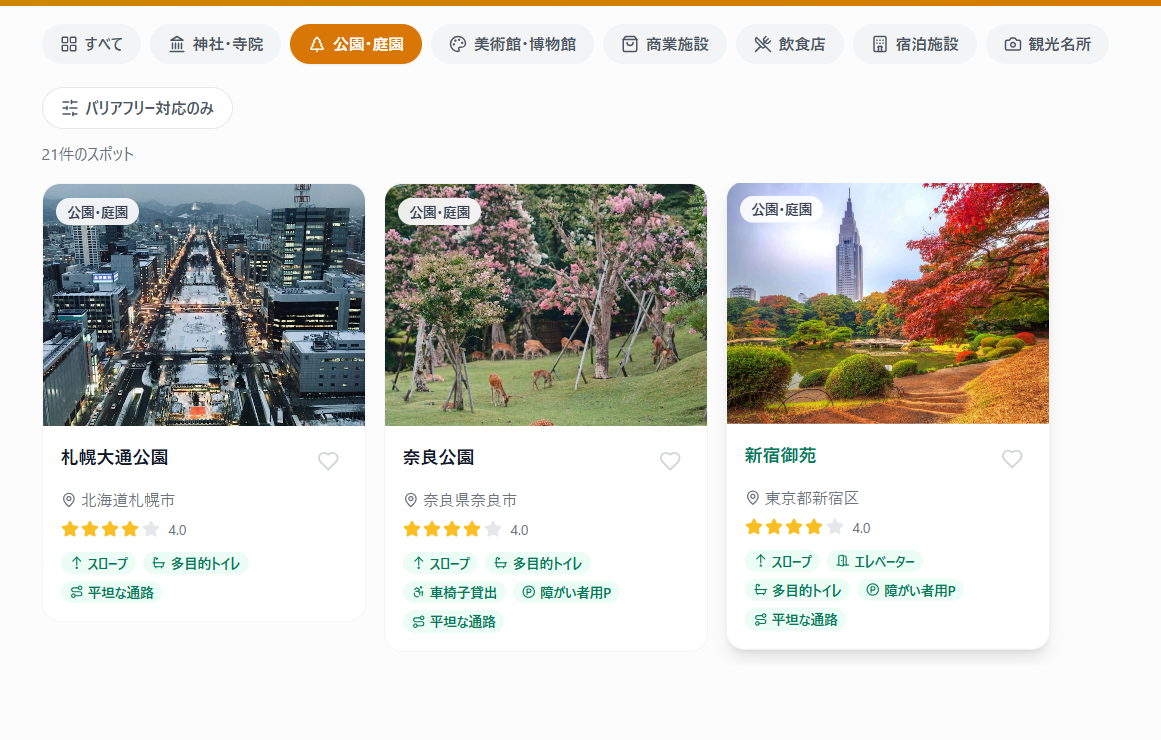
Try the JoyWheel Travel prototype and explore how it works.
To share this idea with a wider audience and explore how it could be implemented in society, I decided to enter business pitch competitions.
08|Taking the Idea to the Stage
Sharing JoyWheel Travel Through Business Pitches
I wanted to share the idea behind JoyWheel Travel with a wider audience.
I also wanted to explore how it could become more than an idea and be implemented in society.
From “Accessible Travel” to “Enjoyable Travel.”
To bring this vision to others, I decided to enter business pitch competitions.
1. IVS Youth Pitch – Grand Prize Winner –
In the summer of 2026, I participated in the IVS Youth Pitch in Kyoto, where I presented JoyWheel Travel as a business idea for the first time.
From “Accessible Travel” to “Enjoyable Travel.”
I presented the idea that had grown out of my research and fieldwork and received the Grand Prize.
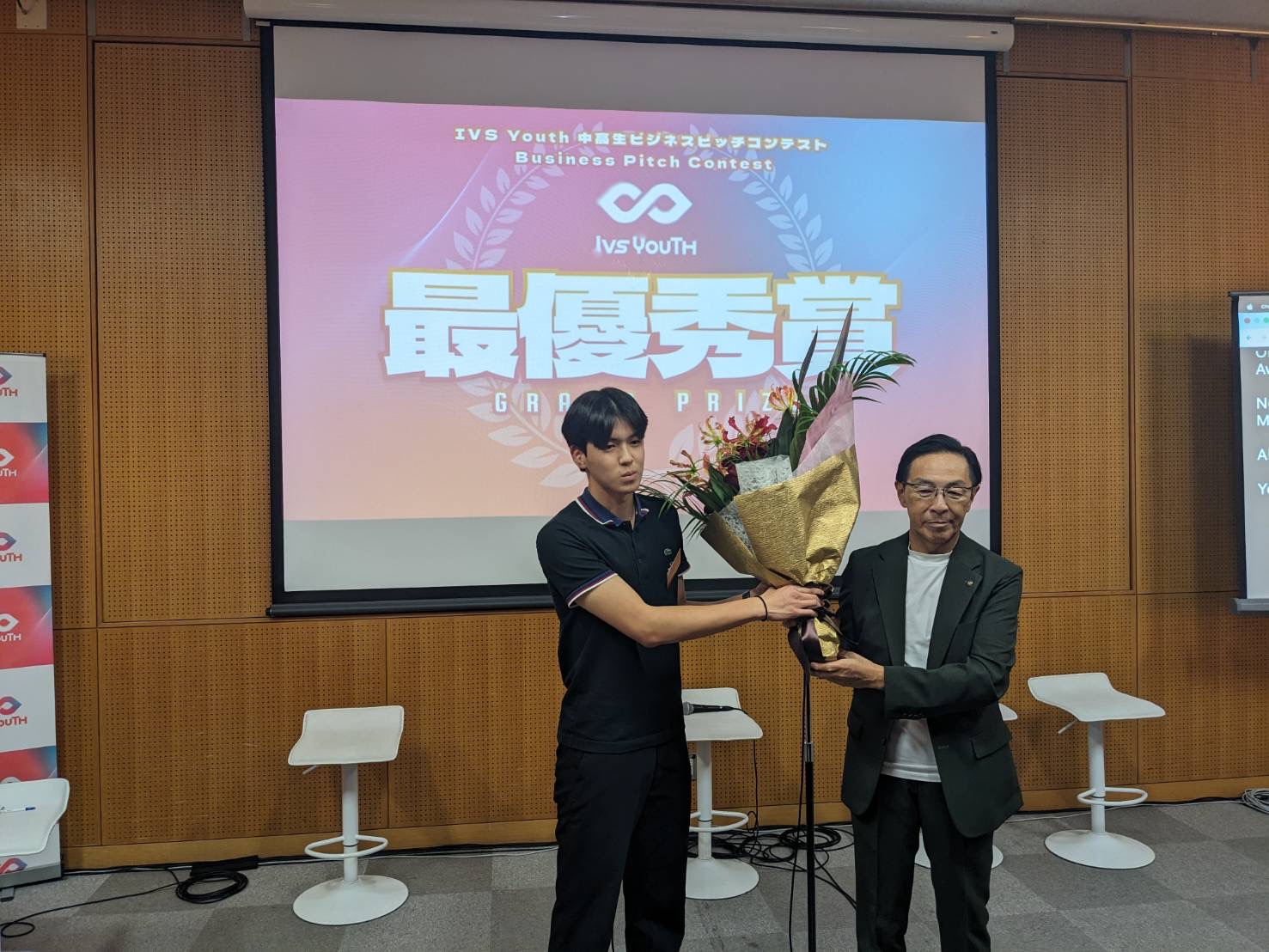
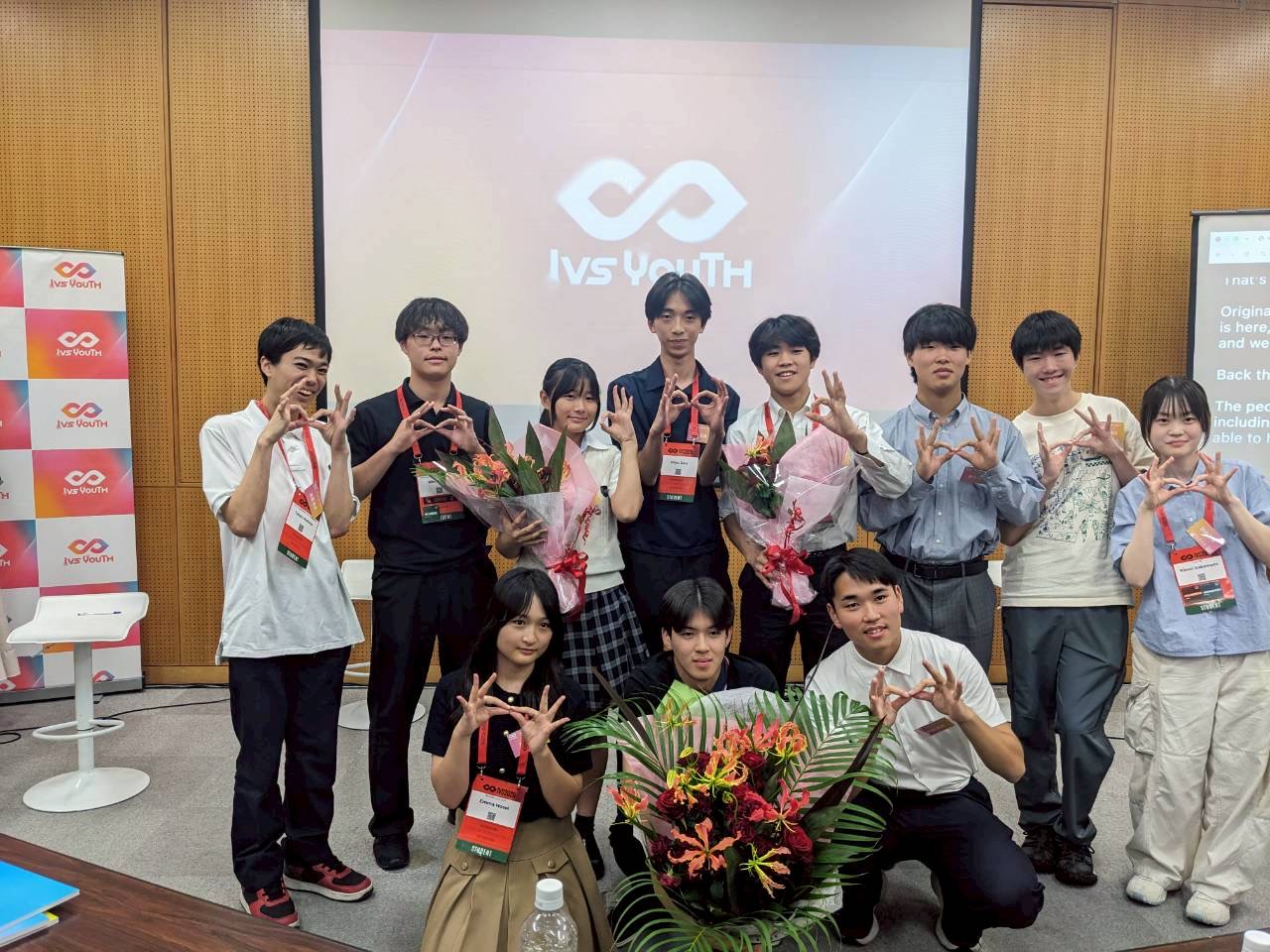
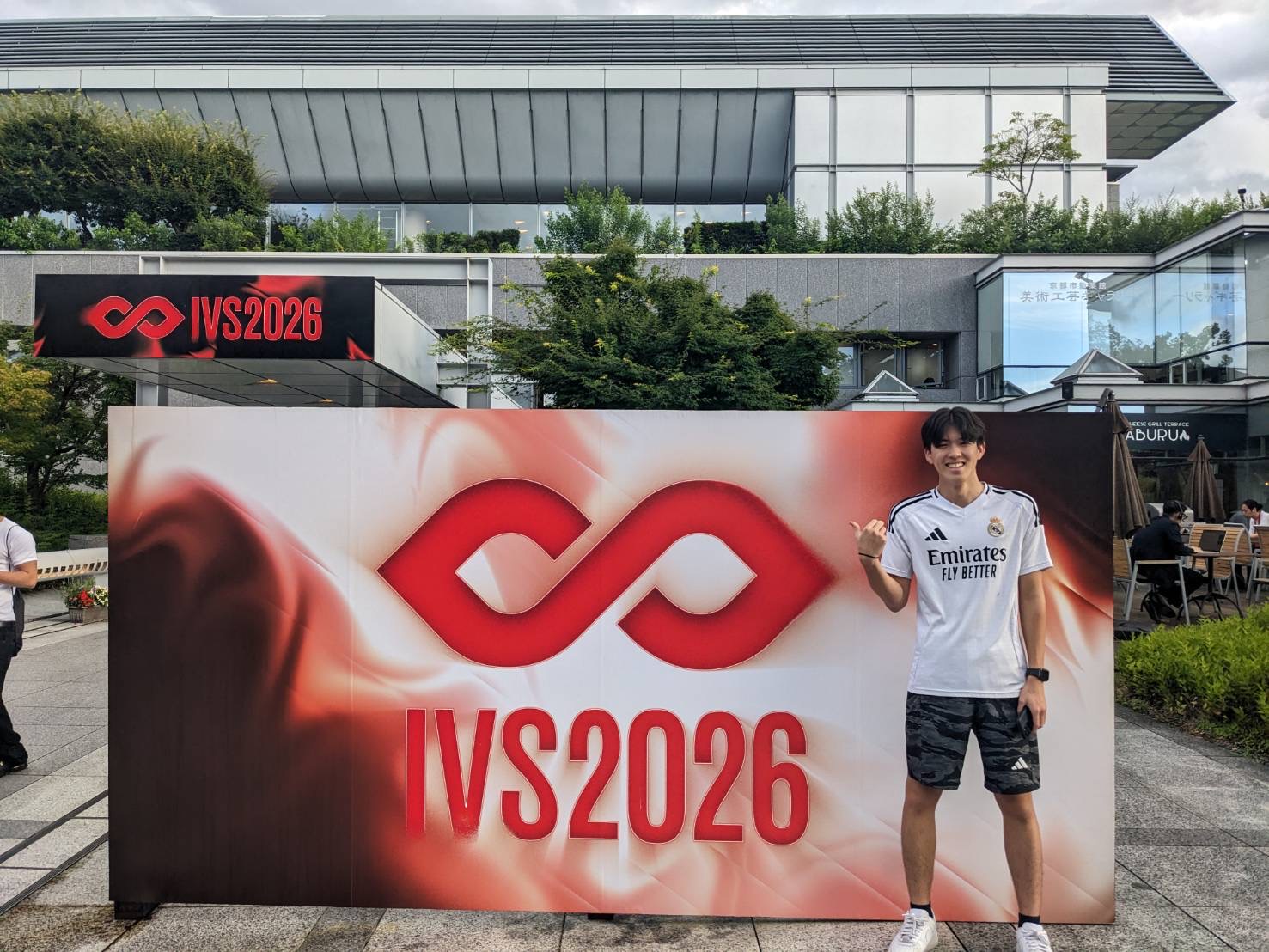
I was interviewed by KBS Kyoto at the IVS Youth Pitch. The interview is available on YouTube.
2. Minna no Yume Award – Finalist –
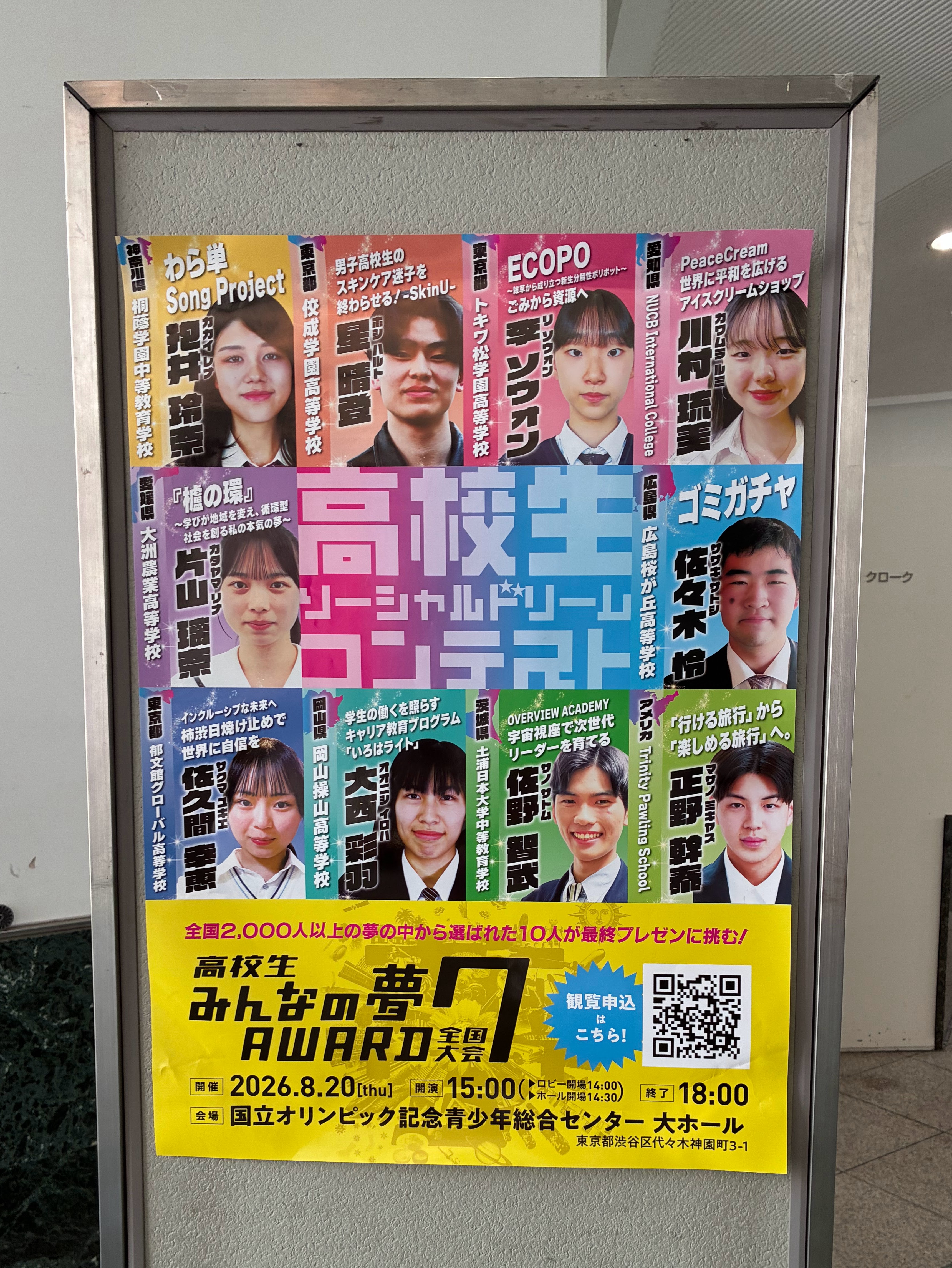
Following my experience at the IVS Youth Pitch, I entered the Minna no Yume Award.
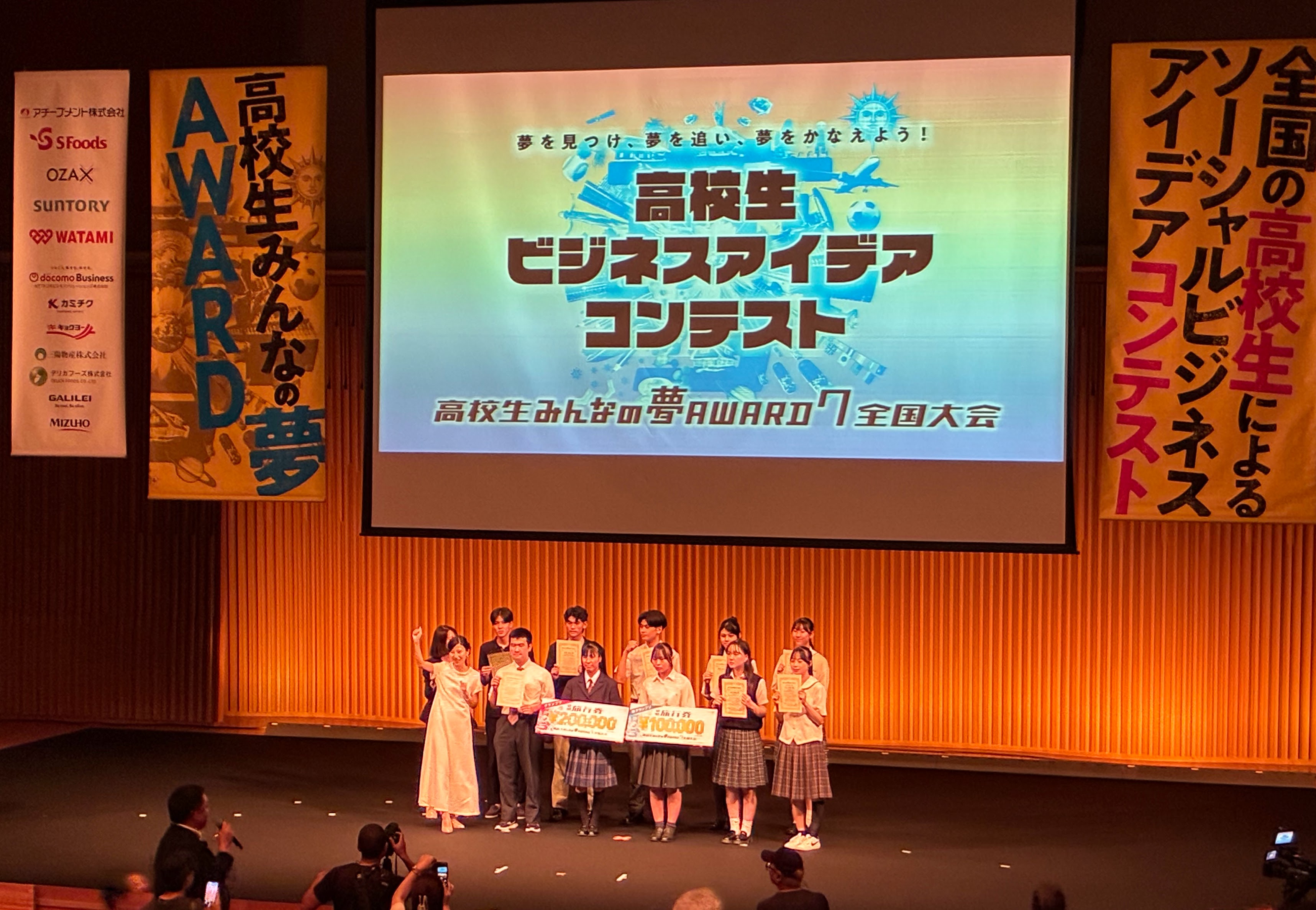
I presented the work I had completed so far and the future I hope to create through JoyWheel Travel. I was selected as one of ten finalists from more than 2,000 applicants.
Through the final presentation, I received feedback from judges and other participants and reconsidered how the idea could develop into a sustainable project. I learned that pursuing a dream requires not only passion, but also the ability to communicate it clearly and continue taking action.
My finalist presentation is available on YouTube.
09|The Next Step
JoyWheel Travel is only at the beginning.
I will continue improving the prototype by listening to feedback from travelers, families, people with disabilities, and tourism professionals.
My next step is to test the prototype with more users and explore partnerships with hotels and travel destinations. By bringing together research, lived experience, and technology, I hope to make reliable accessibility information a natural part of travel planning.
I want to help change the question from “Can I go?” to “How can I enjoy it?”

